
|
1:1 當士師秉政的時候,國中遭遇饑荒。在猶大、伯利恆,有一個人帶著妻子和兩個兒子往摩押地去寄居。 In the days when the judges ruled, \f 1:1 Traditionally ((judged)) there was a famine in the land, and a man from Bethlehem in Judah, together with his wife and two sons, went to live for a while in the country of Moab.
1:2 這人名叫以利米勒,他的妻名叫拿俄米;他兩個兒子,一個名叫瑪倫,一個名叫基連,都是猶大的伯利恆的以法他人。他們到了摩押地,就住在那裏。 The man's name was Elimelech, his wife's name Naomi, and the names of his two sons were Mahlon and Kilion. They were Ephrathites from Bethlehem, Judah. And they went to Moab and lived there. 1:3 後來拿俄米的丈夫以利米勒死了,剩下婦人和她兩個兒子。 Now Elimelech, Naomi's husband, died, and she was left with her two sons. 1:4 這兩個兒子娶了摩押女子為妻,一個名叫俄珥巴,一個名叫路得,在那裏住了約有十年。 They married Moabite women, one named Orpah and the other Ruth. After they had lived there about ten years, 1:5 瑪倫和基連二人也死了,剩下拿俄米,沒有丈夫,也沒有兒子。 both Mahlon and Kilion also died, and Naomi was left without her two sons and her husband. 1:6 她就與兩個兒婦起身,要從摩押地歸回;因為她在摩押地聽見耶和華眷顧自己的百姓,賜糧食與他們。 When she heard in Moab that the LORD had come to the aid of his people by providing food for them, Naomi and her daughters-in-law prepared to return home from there. 1:7 於是她和兩個兒婦起行離開所住的地方,要回猶大地去。 With her two daughters-in-law she left the place where she had been living and set out on the road that would take them back to the land of Judah. 1:8 拿俄米對兩個兒婦說:「你們各人回娘家去吧。願耶和華恩待你們,像你們恩待已死的人與我一樣! Then Naomi said to her two daughters-in-law, <<Go back, each of you, to your mother's home. May the LORD show kindness to you, as you have shown to your dead and to me. 1:9 願耶和華使你們各在新夫家中得平安!」於是拿俄米與她們親嘴。她們就放聲而哭, May the LORD grant that each of you will find rest in the home of another husband.>>Then she kissed them and they wept aloud 1:10 說:「不然,我們必與你一同回你本國去。」 and said to her, <<We will go back with you to your people.>> 1:11 拿俄米說:「我女兒們哪,回去吧!為何要跟我去呢?我還能生子作你們的丈夫嗎? But Naomi said, <<Return home, my daughters. Why would you come with me? Am I going to have any more sons, who could become your husbands? 1:12 我女兒們哪,回去吧!我年紀老邁,不能再有丈夫;即或說,我還有指望,今夜有丈夫可以生子, Return home, my daughters; I am too old to have another husband. Even if I thought there was still hope for me--even if I had a husband tonight and then gave birth to sons-- 1:13 你們豈能等著他們長大呢?你們豈能等著他們不嫁別人呢?我女兒們哪,不要這樣。我為你們的緣故甚是愁苦,因為耶和華伸手攻擊我。」 would you wait until they grew up? Would you remain unmarried for them? No, my daughters. It is more bitter for me than for you, because the LORD's hand has gone out against me!>> 1:14 兩個兒婦又放聲而哭,俄珥巴與婆婆親嘴而別,只是路得捨不得拿俄米。 At this they wept again. Then Orpah kissed her mother-in-law good-by, but Ruth clung to her. 1:15 拿俄米說:「看哪,你嫂子已經回她本國和她所拜的神那裏去了,你也跟著你嫂子回去吧!」 <<Look,>> said Naomi, <<your sister-in-law is going back to her people and her gods. Go back with her.>> 1:16 路得說:「不要催我回去不跟隨你。你往哪裏去,我也往那裏去;你在哪裏住宿,我也在那裏住宿;你的國就是我的國,你的 神就是我的 神。 But Ruth replied, <<Don't urge me to leave you or to turn back from you. Where you go I will go, and where you stay I will stay. Your people will be my people and your God my God. 1:17 你在哪裏死,我也在那裏死,也葬在那裏。除非死能使你我相離!不然,願耶和華重重地降罰與我。」 Where you die I will die, and there I will be buried. May the LORD deal with me, be it ever so severely, if anything but death separates you and me.>> 1:18 拿俄米見路得定意要跟隨自己去,就不再勸她了。 When Naomi realized that Ruth was determined to go with her, she stopped urging her. 1:19 於是二人同行,來到伯利恆。她們到了伯利恆,合城的人就都驚訝。婦女們說:「這是拿俄米嗎?」 So the two women went on until they came to Bethlehem. When they arrived in Bethlehem, the whole town was stirred because of them, and the women exclaimed, <<Can this be Naomi?>> 1:20 拿俄米對他們說:「不要叫我拿俄米〔就是甜的意思〕,要叫我瑪拉〔就是苦的意思〕,因為全能者使我受了大苦。 <<Don't call me Naomi,>>1:20 ((Naomi)) means ((pleasant)); also in verse 21. she told them. <<Call me Mara,1:20 ((Mara)) means ((bitter.))because the Almighty 1:20 Hebrew ((Shaddai)); also in verse 21 has made my life very bitter. 1:21 我滿滿地出去,耶和華使我空空地回來。耶和華降禍與我,全能者使我受苦。既是這樣,你們為何還叫我拿俄米呢?」 I went away full, but the LORD has brought me back empty. Why call me Naomi? The LORD has afflicted 1:21 Or ((has testified against)) me; the Almighty has brought misfortune upon me.>> 1:22 拿俄米和她兒婦摩押女子路得,從摩押地回來到伯利恆,正是動手割大麥的時候。 So Naomi returned from Moab accompanied by Ruth the Moabitess, her daughter-in-law, arriving in Bethlehem as the barley harvest was beginning. 本模組中文化由長島基督福音教會的Jack起始。多次經本人修改,2025年11月由AI協助更改加入朗讀功能,2026年加入搜尋「中、英」字皆可,顯示「黃底紅字」歡迎大家使用!! 荒漠甘泉五合一■ 中文荒漠甘泉(09月29日)
九月廿九日 「我專心祈禱。」詩篇一○九篇4節 我們禱告的時間常頂匆促、頂急忙。每天我們究竟花多少時間來禱告呢?豈不是很容易以分來計算─最多數分鐘,數十分鐘嗎?誰曾看見過一個靈界的偉人未曾花許多時間來禱告的呢?誰曾看見過一個被聖靈充滿的人未曾花許多時間專心在密室中的呢? 華德飛(Whitefield)說:「數日數夜,甚至數星期,我平臥地上專心禱告——有時出聲,有時不出聲。」還有一位禱告有經驗的說:「雙膝跪下來,就在那裡長進。」他知道他所說的是甚麼。 有人說,一個不喜愛單獨的人,決不能文學上或者科學上有所成功。屬靈的事情也是這樣,一個不常花長時間與神單獨親近的人,決不能在屬靈的事情上得到多大的長進。 ─譯自靜默的時候 「來」, 祂說: 「苦惱和疲乏的人們」, 來到我荒漠的陰影中, 體味溫存; 跟著我遠離紛擾的人間, 平安像音樂似的會沁入你的靈魂。
■ 英文荒漠甘泉(09月29日)
September 29 "I will myself unto prayer." (Psalm 109:4) WE are often in a religious hurry in our devotions. How much time do we spend in them daily? Can it not be easily reckoned in minutes? Who ever knew an eminently holy man who did not spend much of his time in prayer? Did ever a man exhibit much of the spirit of prayer, who did not devote much time in his closet? Whitefield says, "Whole days and weeks have I spent prostrate on the ground, in silent or vocal prayer." "Fall upon your knees and grow there," is the language of another, who knew whereof he affirmed. It has been said that no great work in literature or science was ever wrought by a man who did not love solitude. We may lay it down as an elemental principle of religion, that no large growth in holiness was ever gained by one who did not take time to be often, and long, alone with God. ─The Still Hour. "`Come, come,' He saith, `O soul appressed and weary, Come to the shadows of my desert rest; Come walk with Me for from life's babbling discords, And peace shall breathe like music in thy breast.'"
■ 永活之泉(09月29日)
九月廿九日 愛 「祂(耶穌)既然愛世間屬自己的人,就愛他們到底。」約翰福音十三章1節 這句話是記載耶穌在往客西馬尼園之前,曾對門徒講出一段聖潔而極具深度的演講,(約十三-十七章)開始的一句話,把主彰顯在十字架上的大愛完全啟示出來。 祂開始說出新命令:「你們要彼此相愛」(十三34),接著又說:「你們若愛我就必遵守我的命令……愛我的必蒙我父愛他,我也要愛他,並且要向他顯現……我們要到他那裏去與他同住。」(十四15、21、23)新生命就是在基督耶穌裏之屬天的生命,是要彰顯神在基督裏的愛。再下去,耶穌又說道:「我愛你們,正如父愛我一樣,你們要常在我的愛裏……你們要彼此相愛,像我愛你們一樣,這就是我的命令。人為朋友捨命,人的愛心沒有比這個大的。」(十五9-13)「叫世人知道您差了我來,也知道您愛他們如同愛我一樣……我已將您的名指示他們……使您所愛我的愛也在他們裏面,我也在他們裏面。」(十七23、26) 如果這些神對基督的愛成為我們生活的經驗,那就更容易明白;然而在此將父神對聖子的愛放在我們心中,假如主耶穌親自向我們顯現,必是帶著愛心。我們每天享受祂的同在,必是在祂與我之間有永遠相愛的關係,這種愛紮根在相信主耶穌進入我的心,並向祂顯明順服愛別人的命令。 我們看到初期教會是如何失落起初的愛心,但其他活動仍能照常前行。(啟二2-4)。只有在聖潔的空氣之中,才能明瞭基督內住活潑的愛,也因這具有深度的大愛,才能解釋基督「我永遠與你們同在」的應許。
■ 中文屬天日子(09月29日)
九月廿九日 召喚的意識 「因為我是不得已的,若不傳福音,我便有禍了。」哥林多前書九章16節 我們容易忘卻神神祕超然的指點。神的召喚,如果你指得出,說得出,我倒有些懷疑。神的召喚,未必像這樣的來到,是超然得多,神祕得多。神的召喚,也許霹靂一聲的來到,也許如黎明放曉的來到,但無論如何到來,是與超然的暗流同來,是不能以言語形容的,常是忽焉蒞止的事。要隨時感覺這種不能預料,握住你的生命超然的召喚,──「我揀選了你們」。神的召喚,是與救恩和成聖無關。不是因為你成聖,所以你蒙召傳福音。蒙召傳福音絕對不是因為成聖。保羅說,我若不傳福音就有禍了。 如果你曾消滅神在你生活中所給與的超然選召,你就回想你的情景,看在甚麼地方沒有將神放在最前面,反將你服從的觀念或你的天才放在最前面。保羅說:「我若不傳福音,我便有禍了!」他曾察覺神的召喚,也再不為別事耗費他的力量。 若是一個男人或女人蒙了神的選召,無須顧慮他或她的環境怎樣,萬事都替神的旨意效力。如果你同意神的旨意,祂不但叫你意識的生命和諧一致,而且叫你生命的深處,就是你所探測不到的深處,諧和起來。
■ 中文上海嗎哪(09月29日)
九月廿九日 「……神所潔淨的,你不可當作俗物」使徒行傳十章15節 「我憑著主耶穌確知深信,凡物本來沒有不潔淨的……」羅馬書十四章14節 就像我們可以讓基督參與我們屬靈的事奉,我們也可以請基督參與我們生命中每一件平常無比的事。因為把神的恩典用到日常生活中最普通的事,似乎是最高且最難的,所以神甚至能在這些事上,比其他特別神聖的事上,得著更多的榮耀。 羅馬書十二章可說是獻身給主之人的手冊。保羅在談完肢體中事奉的大事後,立刻說到我們應該在普通、社交、屬世的事上,也運用獻身的原則。他說:「愛弟兄,要彼此親熱;恭敬人,要彼此推讓。慇勤不可懶惰,要心裡火熱,常常服事主。」(羅十二10—11) 神不僅要利未人住在以色列的各城市中彰顯祂,也要我們在研習會中、工廠、廚房、托兒所、編輯室、印刷場等各處,就如我們站在講壇,或是在禱告室中一樣地榮耀祂。祂總是盼望我們在一個星期中的任何一個時刻,都彷彿週日處在祂的聖殿中那樣聖潔。
:::
會員登入線上使用者今日推薦台語聖經朗讀和合本 | Taiwanese Bible Reading Audio◎最新上傳進度◎🔥🙏📖牧師推薦好章最熱門聖經「章」朗讀最熱門單一「節」瀏覽數今日推薦台語聖經朗讀和合本 | Taiwanese Bible Reading Audio台語聖經朗讀和合本 | Taiwanese Bible Reading Audio提供免費台語聖經朗讀,包含國語與台語對照。 📖 創世記 1-50 / 50 📖 詩篇 1-23 / 150 📖 馬太福音 1-28 / 28 📖 加拉太書 1-6 / 6 📖 以弗所書 1-6 / 6 📖 腓立比書 1-4 / 4 📖 帖撒羅尼迦前書 1-5 / 5 📖 帖撒羅尼迦後書 1-3 / 3 📖 腓利門書 1-1 / 1 📖 雅各書 1-5 / 5 📖 猶大書 1-1 / 1
台語羅馬字典台語聖經朗讀和合本|Taiwanese Bible Reading Audio最新上傳計數器
隨機小語三句話:「你很棒、謝謝你、我很欣賞你」
雷達回波圖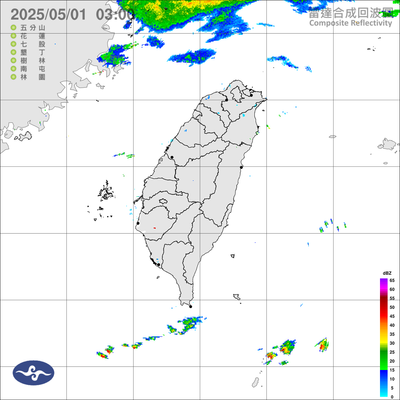
衛星雲圖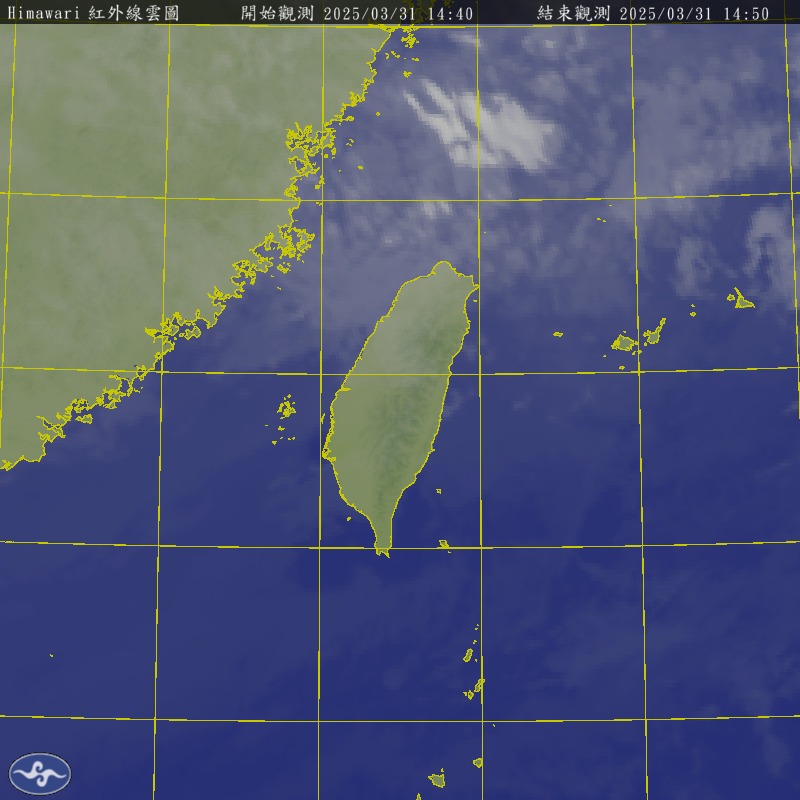
溫度分布圖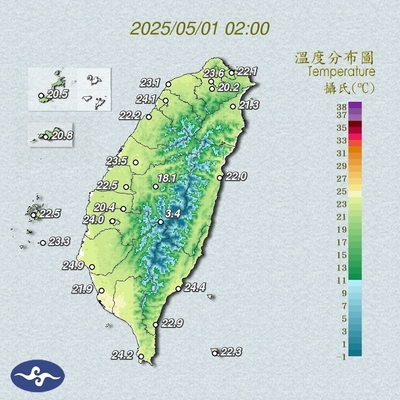
教會MIDI卡拉OK新增教會MIDI卡拉OK流量最多的歌信望愛大辭典:熱門條目教會MIDI卡拉OK新修改信望愛大辭典:隨機條目 |

 中英聖經朗讀◎黃哲輝牧師◎2026/01/03修訂


