:::

📖台語聖經朗讀和合本 | Taiwanese Bible Reading Audio

📘 說明 📱 舊版整章朗讀和合本 🎧 新版整章朗讀和合本 ◎經文朗讀有錯?歡迎回報,我會重新錄音◎

Listen to Taiwanese Bible Reading Audio online. This site provides Taiwanese Bible reading with audio, Chinese text, and Romanization. You can read and listen to the Bible chapter by chapter.🎧 每日更新|整章朗讀|免費線上收聽

台羅詞塊排版: 羅馬字在右 羅馬字在下
經卷: 章: 經文關鍵字: 範圍: | 欄位:
⬅️ 上一章 目前:66啟示錄 第 21 章 下一章 ➡️
66啟示錄 21:1
🔎 難字注音 🔗 分享
我又看見一個新天新地;因為先前的天地已經過去了,海也不再有了。 1 Then I saw a new heaven and a new earth, for the first heaven and the first earth had passed away, and there was no longer any sea.
我又看見一個新天新地;因為先前的天地已經過去了,海也不再有了。
我(Guá) 又(Koh) 看(khòaⁿ) 見(Kìnn) 一個(Tsi̍t-ê) 新(Sin) 天(kang) 新(Sin) 地(tē); 因為(In-uī) 先(Sing) 前(Tsîng) 的(ê) 天地(thiⁿ-tē) 已經(Í-king) 過(Kuè) 去(Khì) 了(liáu), 海(Há) 也(iā) 不(bô) 再(Koh閣) 有(ū) 了(liáu)。
📖 檢視 (0) 👁️ 瀏覽數:94
66啟示錄 21:2
🔎 難字注音 🔗 分享
我又看見聖城新耶路撒冷由神那裏從天而降,預備好了,就如新婦妝飾整齊,等候丈夫。 2 I saw the Holy City, the new Jerusalem, coming down out of heaven from God, prepared as a bride beautifully dressed for her husband.
我又看見聖城新耶路撒冷由上帝那裏從天而降,預備好了,就如新婦妝飾整齊,等候丈夫。
我(Guá) 又(Koh) 看(khòaⁿ) 見(Kìnn) 聖(Siànn) 城(siânn) 新(Sin) 耶路撒冷(Iâ-lōo-sat-líng) 由(Iû) 上帝(siōng-tè) 那裏(Hit-pîng) 從(tùi) 天(kang) 而(jî) 降(Kàng), 預備(Pī-pān備辦) 好(Hó) 了(liáu), 就(chiū) 如(Jû) 新(Sin) 婦(Pū) 妝飾(Tsong-sik) 整(tú抵) 齊(Tsiâu), 等候(tán-hāu) 丈夫(tiōng-hu)。
📖 檢視 (0) 👁️ 瀏覽數:98
66啟示錄 21:3
🔎 難字注音 🔗 分享
我聽見有大聲音從寶座出來說:「看哪,神的帳幕在人間。他要與人同住,他們要作他的子民。神要親自與他們同在,作他們的神。 3 And I heard a loud voice from the throne saying, 「Now the dwelling of God is with men, and he will live with them. They will be his people, and God himself will be with them and be their God.
我聽見有大聲音從寶座出來說:「看哪,上帝的帳幕在人間。他要與人同住,他們要作他的子民。上帝要親自與他們同在,作他們的上帝。
我(Guá) 聽見(Thiann-tio̍h聽著) 有(ū) 大(tuā) 聲音(siaⁿ-im) 從(tùi) 寶座(pó-tsō) 出(tshut) 來(li̍k) 說(kóng):「看(khòaⁿ) 哪(a̍h), 上帝(siōng-tè) 的(ê) 帳(Siàu數/tiòng/tiùnn) 幕(Bōo) 在(tī) 人(lâng) 間(King)。 他(I) 要(iau) 與(Kap佮) 人(lâng) 同(tâng) 住(tsū), 他們(In) 要(iau) 作(Tsoh) 他(I) 的(ê) 子(tsú/chí籽) 民(Bîn)。 上帝(siōng-tè) 要(iau) 親(Tshenn) 自(Tsū) 與(Kap佮) 他們(In) 同(tâng) 在(tī), 作(Tsoh) 他們(In) 的(ê) 上帝(siōng-tè)。
📖 檢視 (0) 👁️ 瀏覽數:9
66啟示錄 21:4
🔎 難字注音 🔗 分享
神要擦去他們一切的眼淚;不再有死亡,也不再有悲哀、哭號、疼痛,因為以前的事都過去了。」 4 He will wipe every tear from their eyes. There will be no more death or mourning or crying or pain, for the old order of things has passed away.」
上帝要擦去他們一切的眼淚;不再有死亡,也不再有悲哀、哭號、疼痛,因為以前的事都過去了。」
上帝(siōng-tè) 要(iau) 擦(tshat) 去(Khì) 他們(In) 一切(It-tshè) 的(ê) 眼(ba̍k目) 淚(Luī); 不(bô) 再(Koh閣) 有(ū) 死(Sí) 亡(Bông), 也(iā) 不(bô) 再(Koh閣) 有(ū) 悲哀(Pi-ai)、 哭號(Khàu-hō)、 疼痛(thiànn-thàng), 因為(In-uī) 以前(í-tsîng) 的(ê) 事(sū) 都(Lóng) 過(Kuè) 去(Khì) 了(liáu)。」
📖 檢視 (0) 👁️ 瀏覽數:106
66啟示錄 21:5
🔎 難字注音 🔗 分享
坐寶座的說:「看哪,我將一切都更新了!」又說:「你要寫上;因這些話是可信的,是真實的。」 5 He who was seated on the throne said, 「I am making everything new!」 Then he said, 「Write this down, for these words are trustworthy and true.」
坐寶座的說:「看哪,我將一切都更新了!」又說:「你要寫上;因這些話是可信的,是真實的。」
坐(Tsē) 寶座(pó-tsō) 的(ê) 說(kóng):「看(khòaⁿ) 哪(a̍h), 我(Guá) 將(chiong) 一切(It-tshè) 都(Lóng) 更(king) 新(Sin) 了(liáu)!」 又(Koh) 說(kóng):「你(Lí) 要(iau) 寫(Siá) 上(siōng/tíng); 因(In-uī因為) 這些(chit-ê這事) 話(Uē) 是(sī) 可(khó) 信(Sìn) 的(ê), 是(sī) 真(Tsin) 實(si̍t) 的(ê)。」
📖 檢視 (0) 👁️ 瀏覽數:150
66啟示錄 21:6
🔎 難字注音 🔗 分享
他又對我說:「都成了!我是阿拉法,我是俄梅戛;我是初,我是終。我要將生命泉的水白白賜給那口渴的人喝。 6 He said to me: 「It is done. I am the Alpha and the Omega, the Beginning and the End. To him who is thirsty I will give to drink without cost from the spring of the water of life.
他又對我說:「都成了!我是阿拉法,我是俄梅戛;我是初,我是終。我要將生命泉的水白白賜給那口渴的人喝。
他(I) 又(Koh) 對(Tuì) 我(Guá) 說(kóng):「都(Lóng) 成了(sêng liáu)! 我(Guá) 是(sī) 阿拉法(A-Lia̍p-Huat), 我(Guá) 是(sī) 俄梅戛(Gô-muî-khiat); 我(Guá) 是(sī) 初(Tshe), 我(Guá) 是(sī) 終(Tsiong)。 我(Guá) 要(iau) 將(chiong) 生(seⁿ) 命(miā) 泉(Tsuânn) 的水(ê chúi) 白白(Pe̍h-pe̍h) 賜(Sù) 給(hō͘) 那(hia) 口(kháu) 渴(tshuì-ta喙焦) 的(ê) 人(lâng) 喝(Lim啉)。
📖 檢視 (0) 👁️ 瀏覽數:16
66啟示錄 21:7
🔎 難字注音 🔗 分享
得勝的,必承受這些為業:我要作他的神,他要作我的兒子。 7 He who overcomes will inherit all this, and I will be his God and he will be my son.
得勝的,必承受這些為業:我要作他的上帝,他要作我的兒子。
得(tit) 勝(Sìng) 的(ê), 必(pit) 承受(sîng-siū) 這些(chit-ê這事) 為(ûi) 業(Gia̍p): 我(Guá) 要(iau) 作(Tsoh) 他(I) 的(ê) 上帝(siōng-tè), 他(I) 要(iau) 作(Tsoh) 我(Guá) 的(ê) 兒子(Hāu-senn後生)。
📖 檢視 (0) 👁️ 瀏覽數:1
66啟示錄 21:8
🔎 難字注音 🔗 分享
惟有膽怯的、不信的、可憎的、殺人的、淫亂的、行邪術的、拜偶像的,和一切說謊話的,他們的分就在燒著硫磺的火湖裏;這是第二次的死。」 8 But the cowardly, the unbelieving, the vile, the murderers, the sexually immoral, those who practice magic arts, the idolaters and all liars--their place will be in the fiery lake of burning sulfur. This is the second death.」
惟有膽怯的、不信的、可憎的、殺人的、淫亂的、行邪術的、拜偶像的,和一切說謊話的,他們的分就在燒著硫磺的火湖裏;這是第二次的死。」
惟(uî) 有(ū) 膽怯(tánn-khiap) 的(ê)、 不(bô) 信(Sìn) 的(ê)、 可(khó) 憎(Tsing) 的(ê)、 殺(Thâi刣) 人(lâng) 的(ê)、 淫亂(Îm-luān) 的(ê)、 行(Kiânn) 邪(Siâ) 術(Su̍t) 的(ê)、 拜(Pài) 偶像(Ngóo-siōng) 的(ê), 和(Kap) 一切(It-tshè) 說謊(Kóng-pe̍h-tsha̍t講白賊) 話(Uē) 的(ê), 他們(In) 的(ê) 分(Pun) 就(chiū) 在(tī) 燒(Sio) 著(Tio̍h對) 硫磺(liû-hông) 的(ê) 火(Hué) 湖(Ôo) 裏(lí); 這是(che-sī) 第(Tē) 二(Jī) 次(kái改) 的(ê) 死(Sí)。」
📖 檢視 (0) 👁️ 瀏覽數:6
66啟示錄 21:9
🔎 難字注音 🔗 分享
拿著七個金碗、盛滿末後七災的七位天使中,有一位來對我說:「你到這裏來,我要將新婦,就是羔羊的妻,指給你看。」 9 One of the seven angels who had the seven bowls full of the seven last plagues came and said to me, 「Come, I will show you the bride, the wife of the Lamb.」
拿著七個金碗、盛滿末後七災的七位天使中,有一位來對我說:「你到這裏來,我要將新婦,就是羔羊的妻,指給你看。」
拿(The̍h提) 著(Tio̍h對) 七(Tshit) 個(Ê) 金(Kim) 碗(Uánn)、 盛(Sīng) 滿(Muá) 末後(Bua̍h-āu) 七(Tshit) 災(tsai) 的(ê) 七(Tshit) 位(Uī) 天使(Thinn-sài) 中(Tiong), 有(ū) 一(Tsi̍t) 位(Uī) 來(li̍k) 對(Tuì) 我(Guá) 說(kóng):「你(Lí) 到(kàu) 這(Tsit) 裏(lí) 來(li̍k), 我(Guá) 要(iau) 將(chiong) 新(Sin) 婦(Pū), 就(chiū) 是(sī) 羔(Ko) 羊(Iûnn) 的(ê) 妻(Tshe/bó͘), 指(tsí) 給(hō͘) 你(Lí) 看(khòaⁿ)。」
📖 檢視 (0) 👁️ 瀏覽數:1
66啟示錄 21:10
🔎 難字注音 🔗 分享
我被聖靈感動,天使就帶我到一座高大的山,將那由神那裏、從天而降的聖城耶路撒冷指示我。 10 And he carried me away in the Spirit to a mountain great and high, and showed me the Holy City, Jerusalem, coming down out of heaven from God.
我被聖靈感動,天使就帶我到一座高大的山,將那由上帝那裏、從天而降的聖城耶路撒冷指示我。
我(Guá) 被(pī) 聖靈(Sìng-Lîng) 感動(kám-tōng), 天使(Thinn-sài) 就(chiū) 帶(tuà) 我(Guá) 到(kàu) 一(Tsi̍t) 座(Tsō) 高(Kuân懸) 大(tuā) 的(ê) 山(Suann), 將(chiong) 那(hia) 由(Iû) 上帝(siōng-tè) 那裏(Hit-pîng)、 從(tùi) 天(kang) 而(jî) 降(Kàng) 的(ê) 聖(Siànn) 城(siânn) 耶路撒冷(Iâ-lōo-sat-líng) 指示(Tsí-sī) 我(Guá)。
📖 檢視 (0) 👁️ 瀏覽數:1
66啟示錄 21:11
🔎 難字注音 🔗 分享
城中有神的榮耀;城的光輝如同極貴的寶石,好像碧玉,明如水晶。 11 It shone with the glory of God, and its brilliance was like that of a very precious jewel, like a jasper, clear as crystal.
城中有上帝的榮耀;城的光輝如同極貴的寶石,好像碧玉,明如水晶。
城(siânn) 中(Tiong) 有(ū) 上帝(siōng-tè) 的(ê) 榮耀(Îng-iāu); 城(siânn) 的(ê) 光(kng) 輝(Hui) 如(Jû) 同(tâng) 極(Ki̍k) 貴(Kuì) 的(ê) 寶(Pó) 石(Tsio̍h), 好(Hó) 像(tshiūnn) 碧(Phik) 玉(gio̍k/gi̍k), 明(Miâ) 如(Jû) 水(chúi) 晶(Tsinn)。
📖 檢視 (0) 👁️ 瀏覽數:1
66啟示錄 21:12
🔎 難字注音 🔗 分享
有高大的牆,有十二個門,門上有十二位天使;門上又寫著以色列十二個支派的名字。 12 It had a great, high wall with twelve gates, and with twelve angels at the gates. On the gates were written the names of the twelve tribes of Israel.
有高大的牆,有十二個門,門上有十二位天使;門上又寫著以色列十二個支派的名字。
有(ū) 高(Kuân懸) 大(tuā) 的(ê) 牆(tshiûnn), 有(ū) 十二(tsa̍p-jī) 個(Ê) 門(Mn̂g), 門(Mn̂g) 上(siōng/tíng) 有(ū) 十二(tsa̍p-jī) 位(Uī) 天使(Thinn-sài); 門(Mn̂g) 上(siōng/tíng) 又(Koh) 寫(Siá) 著(Tio̍h對) 以色列(Í-sik-lia̍t) 十二(tsa̍p-jī) 個(Ê) 支派(Tsi-phài) 的(ê) 名(Miâ) 字(Jī)。
📖 檢視 (0) 👁️ 瀏覽數:1
66啟示錄 21:13
🔎 難字注音 🔗 分享
東邊有三門、北邊有三門、南邊有三門、西邊有三門。 13 There were three gates on the east, three on the north, three on the south and three on the west.
東邊有三門、北邊有三門、南邊有三門、西邊有三門。
東邊(Tang-pinn) 有(ū) 三(Sann) 門(Mn̂g)、 北(Pak) 邊(Pinn) 有(ū) 三(Sann) 門(Mn̂g)、 南(Lâm) 邊(Pinn) 有(ū) 三(Sann) 門(Mn̂g)、 西邊(Sai-pinn) 有(ū) 三(Sann) 門(Mn̂g)。
📖 檢視 (0) 👁️ 瀏覽數:1
66啟示錄 21:14
🔎 難字注音 🔗 分享
城牆有十二根基,根基上有羔羊十二使徒的名字。 14 The wall of the city had twelve foundations, and on them were the names of the twelve apostles of the Lamb.
城牆有十二根基,根基上有羔羊十二使徒的名字。
城(siânn) 牆(tshiûnn) 有(ū) 十二(tsa̍p-jī) 根基(Kin-ki), 根基(Kin-ki) 上(siōng/tíng) 有(ū) 羔(Ko) 羊(Iûnn) 十二(tsa̍p-jī) 使徒(Sù-tôo) 的(ê) 名(Miâ) 字(Jī)。
📖 檢視 (0) 👁️ 瀏覽數:7
66啟示錄 21:15
🔎 難字注音 🔗 分享
對我說話的,拿著金葦子當尺,要量那城和城門城牆。 15 The angel who talked with me had a measuring rod of gold to measure the city, its gates and its walls.
對我說話的,拿著金葦子當尺,要量那城和城門城牆。
對(Tuì) 我(Guá) 說(kóng) 話(Uē) 的(ê), 拿(The̍h提) 著(Tio̍h對) 金(Kim) 葦子(Lôo-tik蘆竹) 當(Tng) 尺(Tshioh), 要(iau) 量(Niū) 那(hia) 城(siânn) 和(Kap) 城(siânn) 門(Mn̂g) 城(siânn) 牆(tshiûnn)。
📖 檢視 (0) 👁️ 瀏覽數:16
66啟示錄 21:16
🔎 難字注音 🔗 分享
城是四方的,長寬一樣。天使用葦子量那城,共有四千里,長、寬、高都是一樣; 16 The city was laid out like a square, as long as it was wide. He measured the city with the rod and found it to be 12,000 stadia (\f24 21:16 That is, about 1,400 miles (about 2,200 kilometers)) in length, and as wide and high as it is long.
城是四方的,長寬一樣。天使用葦子量那城,共有四千里,長、寬、高都是一樣;
城(siânn) 是(sī) 四(Sì) 方(hng) 的(ê), 長(Tn̂g) 寬(Khuah闊) 一樣(Kāng-khuán同款)。 天使(Thinn-sài) 用(Īng) 葦子(Lôo-tik蘆竹) 量(Niū) 那(hia) 城(siânn), 共有(Kiōng-iú) 四(Sì) 千(Tshing) 里(Lí), 長(Tn̂g)、 寬(Khuah闊)、 高(Kuân懸) 都(Lóng) 是(sī) 一樣(Kāng-khuán同款);
📖 檢視 (0) 👁️ 瀏覽數:21
66啟示錄 21:17
🔎 難字注音 🔗 分享
又量了城牆,按著人的尺寸,就是天使的尺寸,共有一百四十四肘。 17 He measured its wall and it was 144 cubits (\f25 21:17 That is, about 200 feet (about 65 meters)) thick, (\f26 21:17 Or|i high|d) by man's measurement, which the angel was using.
又量了城牆,按著人的尺寸,就是天使的尺寸,共有一百四十四肘。
又(Koh) 量(Niū) 了(liáu) 城(siânn) 牆(tshiûnn), 按(àn) 著(Tio̍h對) 人(lâng) 的(ê) 尺(Tshioh) 寸(Tshùn), 就(chiū) 是(sī) 天使(Thinn-sài) 的(ê) 尺(Tshioh) 寸(Tshùn), 共有(Kiōng-iú) 一百(Tsi̍t-pah) 四十(Sì-tsa̍p) 四(Sì) 肘(Tiú(丑))。
📖 檢視 (0) 👁️ 瀏覽數:8
66啟示錄 21:18
🔎 難字注音 🔗 分享
牆是碧玉造的;城是精金的,如同明淨的玻璃。 18 The wall was made of jasper, and the city of pure gold, as pure as glass.
牆是碧玉造的;城是精金的,如同明淨的玻璃。
牆(tshiûnn) 是(sī) 碧(Phik) 玉(gio̍k/gi̍k) 造(chō) 的(ê); 城(siânn) 是(sī) 精(Tsiann) 金(Kim) 的(ê), 如(Jû) 同(tâng) 明(Miâ) 淨(Tsīng) 的(ê) 玻(Po) 璃(Lê)。
📖 檢視 (0) 👁️ 瀏覽數:1
66啟示錄 21:19
🔎 難字注音 🔗 分享
城牆的根基是用各樣寶石修飾的:第一根基是碧玉;第二是藍寶石;第三是綠瑪瑙;第四是綠寶石; 19 The foundations of the city walls were decorated with every kind of precious stone. The first foundation was jasper, the second sapphire, the third chalcedony, the fourth emerald,
城牆的根基是用各樣寶石修飾的:第一根基是碧玉;第二是藍寶石;第三是綠瑪瑙;第四是綠寶石;
城(siânn) 牆(tshiûnn) 的(ê) 根基(Kin-ki) 是(sī) 用(Īng) 各樣(ta̍k-iūⁿ) 寶(Pó) 石(Tsio̍h) 修飾(tsong-sik) 的(ê): 第(Tē) 一根(tsi̍t ki一支) 基(Ki) 是(sī) 碧(Phik) 玉(gio̍k/gi̍k); 第(Tē) 二(Jī) 是(sī) 藍(Nâ) 寶(Pó) 石(Tsio̍h); 第(Tē) 三(Sann) 是(sī) 綠(li̍k/lio̍k) 瑪(Má) 瑙(Ló); 第(Tē) 四(Sì) 是(sī) 綠(li̍k/lio̍k) 寶(Pó) 石(Tsio̍h);
📖 檢視 (0) 👁️ 瀏覽數:1
66啟示錄 21:20
🔎 難字注音 🔗 分享
第五是紅瑪瑙;第六是紅寶石;第七是黃璧璽;第八是水蒼玉;第九是紅璧璽;第十是翡翠;第十一是紫瑪瑙;第十二是紫晶。 20 the fifth sardonyx, the sixth carnelian, the seventh chrysolite, the eighth beryl, the ninth topaz, the tenth chrysoprase, the eleventh jacinth, and the twelfth amethyst. (\f27 21:20 The precise identification of some of these precious stones is uncertain.)
第五是紅瑪瑙;第六是紅寶石;第七是黃璧璽;第八是水蒼玉;第九是紅璧璽;第十是翡翠;第十一是紫瑪瑙;第十二是紫晶。
第(Tē) 五(Gōo) 是(sī) 紅瑪瑙(âng-bé-ló); 第(Tē) 六(La̍k) 是(sī) 紅(Âng) 寶(Pó) 石(Tsio̍h); 第(Tē) 七(Tshit) 是(sī) 黃(N̂g) 璧(Phik) 璽(Sú); 第(Tē) 八(Peh) 是(sī) 水(chúi) 蒼(Tshong) 玉(gio̍k/gi̍k); 第(Tē) 九(Káu) 是(sī) 紅(Âng) 璧(Phik) 璽(Sú); 第(Tē) 十(Tsa̍p) 是(sī) 翡(Huí) 翠(Tshuì); 第(Tē) 十(Tsa̍p) 一(Tsi̍t) 是(sī) 紫(Tsí) 瑪(Má) 瑙(Ló); 第(Tē) 十二(tsa̍p-jī) 是(sī) 紫(Tsí) 晶(Tsinn)。
📖 檢視 (1) 👁️ 瀏覽數:73
66啟示錄 21:21
🔎 難字注音 🔗 分享
十二個門是十二顆珍珠,每門是一顆珍珠。城內的街道是精金,好像明透的玻璃。 21 The twelve gates were twelve pearls, each gate made of a single pearl. The great street of the city was of pure gold, like transparent glass.
十二個門是十二顆珍珠,每門是一顆珍珠。城內的街道是精金,好像明透的玻璃。
十二(tsa̍p-jī) 個(Ê) 門(Mn̂g) 是(sī) 十二(tsa̍p-jī) 顆(Lia̍p粒) 珍珠(chin-chu真珠), 每(muí) 門(Mn̂g) 是(sī) 一(Tsi̍t) 顆(Lia̍p粒) 珍珠(chin-chu真珠)。 城(siânn) 內(Lāi) 的(ê) 街(Ke) 道(Tō) 是(sī) 精(Tsiann) 金(Kim), 好(Hó) 像(tshiūnn) 明(Miâ) 透(Thàu) 的(ê) 玻(Po) 璃(Lê)。
📖 檢視 (0) 👁️ 瀏覽數:50
66啟示錄 21:22
🔎 難字注音 🔗 分享
我未見城內有殿,因主神─全能者和羔羊為城的殿。 22 I did not see a temple in the city, because the Lord God Almighty and the Lamb are its temple.
我未見城內有殿,因主上帝─全能者和羔羊為城的殿。
我(Guá) 未(Buē) 見(Kìnn) 城(siânn) 內(Lāi) 有(ū) 殿(Tiān), 因(In-uī因為) 主(Tsú) 上帝(siōng-tè) ─ 全能者(Tsuân-lîng tsiá) 和(Kap) 羔(Ko) 羊(Iûnn) 為(ûi) 城(siânn) 的(ê) 殿(Tiān)。
📖 檢視 (0) 👁️ 瀏覽數:36
66啟示錄 21:23
🔎 難字注音 🔗 分享
那城內又不用日月光照;因有神的榮耀光照,又有羔羊為城的燈。 23 The city does not need the sun or the moon to shine on it, for the glory of God gives it light, and the Lamb is its lamp.
那城內又不用日月光照;因有上帝的榮耀光照,又有羔羊為城的燈。
那(hia) 城(siânn) 內(Lāi) 又(Koh) 不(bô) 用(Īng) 日(ji̍t) 月(Gue̍h) 光(kng) 照(Tsiò); 因(In-uī因為) 有(ū) 上帝(siōng-tè) 的(ê) 榮耀(Îng-iāu) 光(kng) 照(Tsiò), 又(Koh) 有(ū) 羔(Ko) 羊(Iûnn) 為(ûi) 城(siânn) 的(ê) 燈(Ting)。
📖 檢視 (0) 👁️ 瀏覽數:1
66啟示錄 21:24
🔎 難字注音 🔗 分享
列國要在城的光裏行走;地上的君王必將自己的榮耀歸與那城。 24 The nations will walk by its light, and the kings of the earth will bring their splendor into it.
列國要在城的光裏行走;地上的君王必將自己的榮耀歸與那城。
列(lia̍t) 國(Kok) 要(iau) 在(tī) 城(siânn) 的(ê) 光(kng) 裏(lí) 行走(Kiânn-Lōo行路); 地上(tōe-chiūⁿ) 的(ê) 君(Kun) 王(Ông) 必(pit) 將(chiong) 自己(Ka-kī) 的(ê) 榮耀(Îng-iāu) 歸(Kui) 與(Kap佮) 那(hia) 城(siânn)。
📖 檢視 (0) 👁️ 瀏覽數:9
66啟示錄 21:25
🔎 難字注音 🔗 分享
城門白晝總不關閉,在那裏原沒有黑夜。 25 On no day will its gates ever be shut, for there will be no night there.
城門白晝總不關閉,在那裏原沒有黑夜。
城(siânn) 門(Mn̂g) 白(Pe̍h) 晝(Ji̍t/日) 總(Tsóng) 不(bô) 關(Kuainn) 閉(Pì), 在那(tī-hia在那裏) 裏(lí) 原(Guân) 沒(Bô無) 有(ū) 黑(Oo烏) 夜(iā)。
📖 檢視 (0) 👁️ 瀏覽數:1
66啟示錄 21:26
🔎 難字注音 🔗 分享
人必將列國的榮耀、尊貴歸與那城。 26 The glory and honor of the nations will be brought into it.
人必將列國的榮耀、尊貴歸與那城。
人(lâng) 必(pit) 將(chiong) 列(lia̍t) 國(Kok) 的(ê) 榮耀(Îng-iāu)、 尊(Tsun) 貴(Kuì) 歸(Kui) 與(Kap佮) 那(hia) 城(siânn)。
📖 檢視 (0) 👁️ 瀏覽數:1
66啟示錄 21:27
🔎 難字注音 🔗 分享
凡不潔淨的,並那行可憎與虛謊之事的,總不得進那城;只有名字寫在羔羊生命冊上的才得進去。 27 Nothing impure will ever enter it, nor will anyone who does what is shameful or deceitful, but only those whose names are written in the Lamb's book of life.
凡不潔淨的,並那行可憎與虛謊之事的,總不得進那城;只有名字寫在羔羊生命冊上的才得進去。
凡(Huân) 不(bô) 潔淨(kiat-tsīng) 的(ê), 並(pēng) 那(hia) 行(Kiânn) 可(khó) 憎(Tsing) 與(Kap佮) 虛謊(Hu-hóng) 之(Tsi) 事(sū) 的(ê), 總(Tsóng) 不(bô) 得(tit) 進(Ji̍p入) 那(hia) 城(siânn); 只有(chí-ū惟有) 名(Miâ) 字(Jī) 寫(Siá) 在(tī) 羔(Ko) 羊(Iûnn) 生(seⁿ) 命(miā) 冊(Tsheh) 上(siōng/tíng) 的(ê) 才(Tsiah) 得(tit) 進(Ji̍p入) 去(Khì)。
📖 檢視 (0) 👁️ 瀏覽數:1

荒漠甘泉五合一

你進站:2026年06月29日
時間是:16時24分12秒
■ 中文荒漠甘泉(06月29日)
六月廿九日 「我們在那裏看見亞衲族人,就是偉人。」民數記十三章33節 是的,他們看見了亞衲族人,但是迦勒和約書亞所看見的只是神!疑懼的說:「我們不能上去。」(31節)相信的卻說:「我們立刻上去得那地罷,我們足能得勝。」(30節) 在屬靈的意義上,亞衲族人是代表艱難;無論在甚麼地方,我們都能彀看見有亞衲族人在高視闊步。在我們的家庭裏,在我們的教會裏,在我們的社會生活裏,在我們自己的心裏都有;我們必須戰勝他們,否則他們就會像以色列人所說的迦南地的亞衲族人一樣「吞喫」我們(32節)。 有信心的敢說:「他們是我們的食物;我們可以吞喫他們。吞喫了他們以後,我們會變得更強壯了。」 事實是如此:除非我們有戰勝的信心,否則便會被他們吞喫。讓我們有迦勒和約書亞的信心來專心仰望神,神必定會顧念我們一切的困難。           ─選 只在我們忠順的時候,纔會遇見亞衲族人。我們看見:當以色列人預備前進的時候,纔有亞衲族人出現;當他們轉回往曠野去的時候,就沒有了。 一般的想法,以為神的力量可以使我們免於患難,實則神的力量常把我們放進患難中去受考驗。 保羅往羅馬去傳道的時候,照人想來,大能的神一定要祝福他一路平安,脫離一切仇敵和風雨的侵害。可是,事實適相反:他遭盡了猶太人的迫害、狂風大浪的摧殘、毒蛇的侵囓,一切地上和陰間所有的攻擊;最後總算蒙了拯救─—馱著一塊破損的船板漂到了米利大海岸─祗僅僅逃免了葬身魚腹。 難道全能的神是這樣的神嗎?是,正是這樣的神。所以保羅告訴我們當他接受主耶穌基督作他生命的時候,立即就有猛烈的爭戰發生;這種爭戰是永無止息的,但是他屢次靠主的力量,在凡事上得勝有餘。 他描寫這段經歷的字句極為生動:「我們四面受敵,卻不被困住。心裏作難,卻不至失望。遭逼迫,卻不被丟棄。打倒了,卻不至死亡。身上常帶著耶穌的死,使耶穌的生,也顯明在我們身上。」(林後四8—10) 保羅的奮鬥是多麼持久,多麼費力啊!這幾節聖經在原文裏更是有力,中文英文都難以將它譯得達意。這裏有五幅連貫的圖畫。在第一幅裏,我們看見許許多多仇敵從四面擠著進來,卻不能把他壓傷,因為天上的使者替他澄清了一條走道讓他過去。照字面直譯,該譯作:「我們四面被擠壓,卻不被壓傷。」 在第二幅圖畫裏,我們看見他四面的出路完全被封閉了,但是他卻仍舊能走出去;因為有神的光指示他當走的路徑。更正本譯作:「心裏困惑,卻不至絕望。」羅得罕(Rotherham)譯得更近原文:「沒有路,卻不是沒有側路。」 在第三幅圖畫裏,我們看見一個仇敵緊緊地追逐著他,同時仍有護衛的神站在他的身旁,所以他並不孤獨。我們再採用羅得罕的譯文:「被追逐,卻不丟棄。」 第四幅圖畫更活潑生動了。仇敵已經追上了他,打了他,並且將他打倒。但是他所受的卻不是致命的傷:他能彀再從地上爬起來。也可以譯作:「擊倒了,卻不至被克服。」 這些圖畫一幅一幅地前進,現在到了第五幅,死亡臨到了他─「身上常帶著耶穌的死」。但是他不能被死亡克服,因為他藉著「耶穌的生」,活著主自己的生命。 我們中間,為甚麼有許多人得不到這樣的醫治呢?原因是為了我們總希望不用奮鬥就得到醫治;當我們的爭戰延得久長一些,我們就會由沮喪而投降。我們該知道:在神那裏的東西,沒有一件是容易得到的;天上是沒有廉價的物品的;因著給我們的救恩,神不得不割棄祂寶貴的獨生子;凡是有價值的東西,件件都是需要代價的;艱難是造就我們信心和品性的工具。 從前摩西看見荊棘被火燒著,卻沒有燒燬;我們正如那荊棘一樣─雖然魔鬼不時地向我們澆上冷水,在我們的後方卻立著一位澆油的天使,不停地在添上燃料,使我們的火光永不熄滅。 神親愛的受苦的孩子啊,只要你肯信靠、堅持,不允許仇敵來克服你,你是不能失敗的。           ─崔克德
■ 英文荒漠甘泉(06月29日)
June 29 "There we saw the giants." (Num. 13:33.)  YES, they saw the giants, but Caleb and Joshua saw God! Those who doubt say, "We be not able to go up." Those who believe say, "Let us go up at once and possess it, for we are well able."  Giants stand for great difficulties; and giants are stalking everywhere. They are in our families, in our churches, in our social life, in our own hearts; and we must overcome them or they will eat us up, as these men of old said of the giants of Canaan.  The men of faith said, "They are bread for us; we will eat them up." In other words, "We will be stronger by overcoming them than if there had been no giants to overcome."  Now the fact is, unless we have the overcoming faith we shall be eaten up, consumed by the giants in our path. Let us have the spirit of faith that these men of faith had, and see God, and He will take care of the difficulties.           -Selected.  It is when we are in the way of duty that we find giants. It was when Israel was going forward that the giants appeared. When they turned back into the wildreness they found none.  There is a prevalent idea that the power of God in a human life should lift us above all trials and conflicts. The fact is, the power of God always brings a conflict and a struggle. One would have thought that on his great missionary journey to Rome, Paul would have been carried by some mighty providence above the power of storms and tempests and enemies. But, on the contrary, it was one long, hard fight with persecuting Jews, with wild tempests, with venomous vipers and all the powers of earth and hell, and at last he was saved, as it seemed, by the narrowest margin, and had to swim ashore at Malta on a piece of wreckage and barely escape a watery grave.  Was that like a God of infinite power? Yes, just like Him. And so Paul tells us that when he took the Lord Jesus Christ as the life of his body, a severe conflict immediately came; indeed, a conflict that never ended, a pressure that was persistent, but out of which he always emerged victorious through the strength of Jesus Christ.  The language in which he describes this is most graphic. "We are troubled on every side, yet not distressed; perplexed, but not in despair; persecuted, but not forsaken; cast down, but not destroyed, always bearing about in the body the dying of the Lord Jesus, that the life also of Jesus might be manifested in our body."  What a ceaseless, strenuous struggle! It is impossible to express in English the forcible language of the original. There are five pictures in succession. In the first, the idea is crowding enemies pressing in from every side, and yet not crushing him because the police of heaven cleared the way just wide enough for him to get through. The literal translation would be, "We are crowded on every side, but not crushed."  The second picture is that of one whose way seems utterly closed and yet he has pressed through; there is light enough to show him the next step. The Revised Version translates it, "Perplexed but not unto despair." Rotherham still more literally renders it, "Without a way, but not without a by-way."  The third figure is that of an enemy in hot pursuit while the divine Defender still stands by, and he is not left alone. Again we adopt the fine rendering of Rotherham, "pursued but not abandoned."  The fourth figure is still more vivid and dramatic. The enemy has overtaken him, has struck him, has knocked him down. But it is not a fatal blow; he is able to rise again. It might be translated, "Overthrown but not overcome."  Once more the figure advances, and now it seems to be even death itself, "Always bearing about in the body the dying of the Lord Jesus." But he does not die, for "the life also of Jesus" now comes to his aid and he lives in the life of another until his life work is done.  The reason so many fail in this experience of divine healing is because they expect to have it all without a struggle, and when the conflict comes and the battle wages long, they become discouraged and surrender. God has nothing worth having that is easy. There are no cheap goods in the heavenly market. Our redemption cost all that God had to give, and everything worth having is expensive. Hard places are the very school of faith and character, and if we are to rise over mere human strength and prove the power of life divine in these mortal bodies, it must be through a process of conflict that may well be called the birth travail of a new life. It is the old figure of the bush that burned, but was not consumed, or of the Vision in the house of the interpreter of the flame that would not expire, notwithstanding the fact that the demon ceaselessly poured water on it, because in the background stood an angel ever pouring oil and keeping the flame aglow.  No, dear suffering child of God, you cannot fail if only you dare to believe, to stand fast and refuse to be overcome.           ─Tract.
■ 永活之泉(06月29日)
六月廿九 不是我,乃是神的恩 「然而,我今日成了何等人,是蒙神的恩才成的,並且祂所賜我的恩不是徒然的,我比眾使徒格外勞苦,這原不是我,乃是神的恩與我同在。」哥林多前書十五章10節 「恩」這個字有兩種意義,第一是從神得到白白的恩典,而且給予不配接受的人。祂是我們永遠的依靠,我們也該每天為此感謝。另一個意義是藉著神的愛在我們裏面工作,使我們有屬神的能力;恩典不只是神的性情,也是生命的能力,它每天、每時刻在我們裏面運行,賜我們遵守神旨意的能力。 保羅在這節經文講到神的良善,他所有的一切都是神的賜予;由於他比眾使徒更加勞苦,所以神所賜的恩不致於徒然,靠著神的恩,他才能從事他的工作,因為他感覺到藉著這白白賜予的恩以神聖的能力在他裏面運行。 當我們來到施恩寶座前,神給我們有兩種思想,就是神之所以接納我們,使用我們,將祂的恩賜給我們,並不是根據我們的一無所有,而是根據祂的大愛。祂原本愛我們,使我們在一天任何時候都能做成祂的要求。請聽保羅的話:「神能將各樣的恩惠多多地加給你們,使你們凡事常常充足,能多行各樣善事。」(林後九8)「我做了這福音的執事,是照神的恩賜,這恩賜是照祂運行的大能賜給我的。」(弗三7)這恩典如同活水泉源給我們能力,且「多行各樣的善事。」 「這原不是我,乃是神的恩與我同在。」讀每個思想神要在你裏面運行的字句連結起來,「這原不是我,乃是神的恩。」花時間去培養讓神在你身上動工的思想,在施恩賓座前俯伏,直到你有祂的恩,能夠而願意在你身上動工的確據,「你們都要壯膽,堅固你們的心。」
■ 中文屬天日子(06月29日)
六月廿九日 訓練的指南 「若是右手叫你跌倒,就砍下來丟掉;寧可失去百體中的一體,不叫全身下入地獄。」馬太福音五章30節 耶穌不是說,人人都要砍下右手,卻是說──「若是右手叫你叫你跌倒,就砍下來」。有許多事,是完全合法的,但是你集中在神身上,你就不能做那些事。你的右手是你所有最好的東西的一件,但是耶穌說如果它阻止你遵依祂的箴規,就砍下來。這是一種最嚴厲的拘束。 當神用重生來改造吾人的時候,那生命開始的特點似乎是殘缺不全的。有許多事你不敢做,他們知道這些事對於你,就像你的右手和眼睛一樣。然而不屬靈的人說──「那有甚麼壞處呢?」你是怎樣糊塗啊!從沒有一個聖徒,開始的時候所過的生活,不是殘缺不全的生活。開始的時候寧可過殘缺的生活,見愛於神,切不可過那神看為殘缺的生活,見愛於人。在開始的時候,耶穌基督藉著祂的靈,阻止你去做許多別人認為對的而你認為不對的事。留心,不要用你的限度去批評別人吧! 開始是殘缺的生活,但是在五章48節上,耶穌給了我們一個完全圓滿的生活──「你們要完全,像你們的天父完全一樣。」(太三48)
■ 中文上海嗎哪(06月29日)
六月廿九日 「……因祂常與你們同在,也要在你們裡面」約翰福音十四章17節 不要忽略這兩個基督徒生命的階段。第一階段是聖靈在我們裡面動工,第二階段則是聖靈親自住在我們裡面。所有的基督徒都明白第一個階段,但是恐怕只有少數基督徒瞭解接受聖靈內涵的重要。 我們在建造一個幢房子,跟我們住在那房子裡,且以此為家,其間的差異是很大的。同樣的道理,聖靈動工使一個人重生(像蓋房子般),和祂的進入、內住並管理我們靈裡的深處,及整個生命的氣息,其間的差異也是很大的。 我們是否已接納聖靈?這不同於僅歡迎一個客人而已,乃是以祂為我們的房子、專利權的擁有者、並聖殿的監護人。畢竟我們是「靠祂同被建造,成為神藉聖靈居住的所在。」(弗二22) 這是我奇妙的故事, 基督已進入我內心, 耶穌——榮耀之君, 竟以我心為祂居所。 我心歡喜地接受, 耶穌——我心之王。 我雖常令祂憂傷, 但今願將一切帶到祂腳前。
:::

會員登入

線上使用者

90人線上 (15人在瀏覽台語聖經朗讀和合本)

會員: 0

訪客: 90

更多…

今日推薦台語聖經朗讀和合本 | Taiwanese Bible Reading Audio◎最新上傳進度◎

◎已錄音經卷進度◎

[2026-06-14] 📖 帖撒羅尼迦後書 2章 👁️23 🔥3 ▶ 播整章
[2026-06-13] 📖 以弗所書 6章 👁️17 🔥1 ▶ 播整章
[2026-06-13] 📖 以弗所書 5章 👁️10 🔥1 ▶ 播整章
[2026-06-13] 📖 以弗所書 4章 👁️9 🔥1 ▶ 播整章
[2026-06-13] 📖 以弗所書 3章 👁️10 🔥1 ▶ 播整章

最熱門聖經「章」朗讀

🔥 完整朗讀章熱門

今日推薦台語聖經朗讀和合本 | Taiwanese Bible Reading Audio

台語聖經朗讀和合本 | Taiwanese Bible Reading Audio

提供免費台語聖經朗讀,包含國語與台語對照。

◎已錄音經卷

📖 創世記 1-50 / 50
📖 詩篇 1-23 / 150
📖 馬太福音 1-28 / 28
📖 加拉太書 1-6 / 6
📖 以弗所書 1-6 / 6
📖 腓立比書 1-4 / 4
📖 帖撒羅尼迦前書 1-5 / 5
📖 帖撒羅尼迦後書 1-3 / 3
📖 腓利門書 1-1 / 1
📖 雅各書 1-5 / 5
📖 猶大書 1-1 / 1

台語羅馬字典

台語聖經朗讀和合本|Taiwanese Bible Reading Audio最新上傳

計數器

今天: 6872687268726872
昨天: 9616961696169616
總計: 1113897011138970111389701113897011138970111389701113897011138970

隨機小語

智慧是什麼?
有一隻老虎,看見曾打敗過自己的水牛,被人吆喝著耕地,便去問牛為什麼怕農夫,牛說:「因為人有智慧」。
老虎向農夫要求看看他的智慧。農夫說他把智慧放在家裡,可以去拿,但要先把老虎捆起來,免得他走了以後老虎把牛吃掉,老虎聽了覺得有道理,老虎聽從農夫的話。
農夫回村叫了村民來,把老虎裝鐵籠裡,農夫就對老虎說:「這就是智慧」。

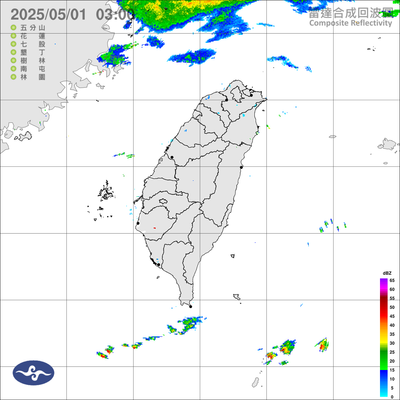
雷達回波圖

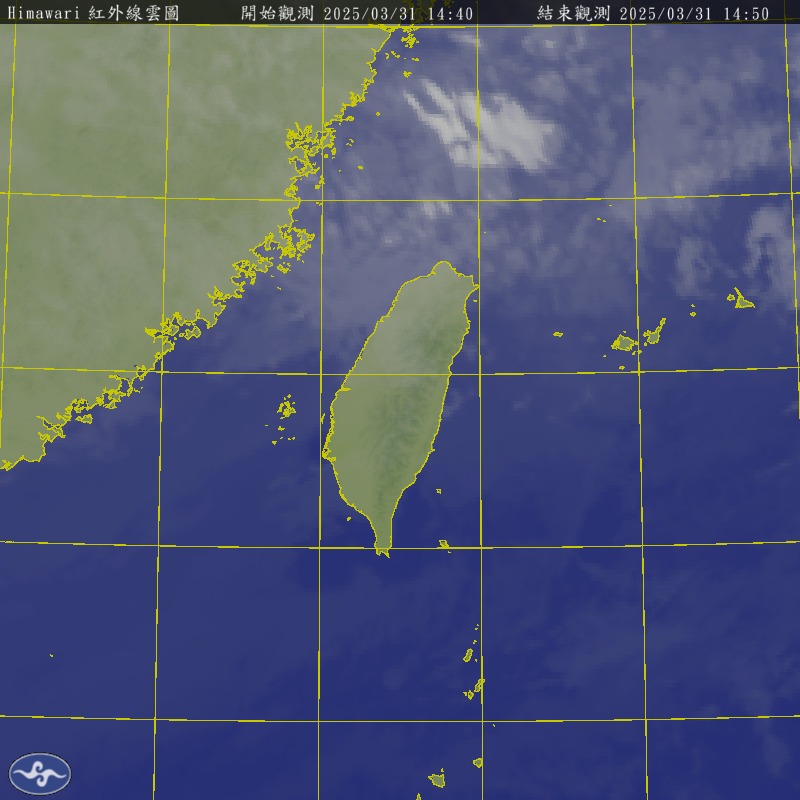
衛星雲圖

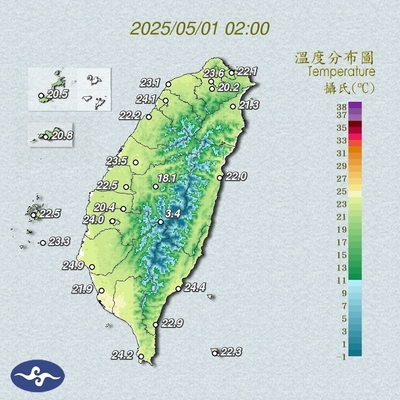
溫度分布圖

教會MIDI卡拉OK新增

教會MIDI卡拉OK流量最多的歌

教會MIDI卡拉OK新修改