:::

📖台語聖經朗讀和合本 | Taiwanese Bible Reading Audio

📘 說明 📱 舊版整章朗讀和合本 🎧 新版整章朗讀和合本 ◎經文朗讀有錯?歡迎回報,我會重新錄音◎

Listen to Taiwanese Bible Reading Audio online. This site provides Taiwanese Bible reading with audio, Chinese text, and Romanization. You can read and listen to the Bible chapter by chapter.🎧 每日更新|整章朗讀|免費線上收聽

台羅詞塊排版: 羅馬字在右 羅馬字在下
經卷: 章: 經文關鍵字: 範圍: | 欄位:
⬅️ 上一章 目前:18約伯記 第 38 章 下一章 ➡️
18約伯記 38:1
🔎 難字注音 🔗 分享
那時,耶和華從旋風中回答約伯說: 1 Then the LORD answered Job out of the storm. He said:
那時,耶和華從旋風中回答約伯說:
那(hia) 時(Sî), 耶和華(Iâ-hô-hoa) 從(tùi) 旋(Suan) 風(Hong) 中(Tiong) 回(Huê/tńg) 答(Tah) 約伯(Iok-pik) 說(kóng):
📖 檢視 (0) 👁️ 瀏覽數:78
18約伯記 38:2
🔎 難字注音 🔗 分享
誰用無知的言語使我的旨意暗昧不明? 2 「Who is this that darkens my counsel with words without knowledge?
誰用無知的言語使我的旨意暗昧不明?
誰(siáng) 用(Īng) 無(bô不) 知(tsai) 的(ê) 言語(Giân-gú) 使(hō) 我(Guá) 的(ê) 旨(Tsí) 意(Ì) 暗(àm) 昧(Muī) 不(bô) 明(Miâ)?
📖 檢視 (0) 👁️ 瀏覽數:75
18約伯記 38:3
🔎 難字注音 🔗 分享
你要如勇士束腰;我問你,你可以指示我。 3 Brace yourself like a man; I will question you, and you shall answer me.
你要如勇士束腰;我問你,你可以指示我。
你(Lí) 要(iau) 如(Jû) 勇(Ióng) 士(Sū) 束(Sok) 腰(Io); 我(Guá) 問(Mn̄g) 你(Lí), 你(Lí) 可以(Ē-tàng(也當)) 指示(Tsí-sī) 我(Guá)。
📖 檢視 (0) 👁️ 瀏覽數:9
18約伯記 38:4
🔎 難字注音 🔗 分享
我立大地根基的時候,你在哪裏呢?你若有聰明,只管說吧! 4 「Where were you when I laid the earth's foundation? Tell me, if you understand.
我立大地根基的時候,你在哪裏呢?你若有聰明,只管說吧!
我(Guá) 立(Li̍p) 大(tuā) 地(tē) 根基(Kin-ki) 的(ê) 時候(Sî-tsūn時陣), 你(Lí) 在哪裏(tī tah-lo̍h) 呢(ne)? 你(Lí) 若(Nā) 有(ū) 聰明(tshong-bîng), 只管(Tsí-kuán) 說(kóng) 吧(Pa)!
📖 檢視 (0) 👁️ 瀏覽數:76
18約伯記 38:5
🔎 難字注音 🔗 分享
你若曉得就說,是誰定地的尺度?是誰把準繩拉在其上? 5 Who marked off its dimensions? Surely you know! Who stretched a measuring line across it?
你若曉得就說,是誰定地的尺度?是誰把準繩拉在其上?
你(Lí) 若(Nā) 曉(Hiáu) 得(tit) 就(chiū) 說(kóng), 是(sī) 誰(siáng) 定(tēng) 地(tē) 的(ê) 尺(Tshioh) 度(Tōo)? 是(sī) 誰(siáng) 把(Kā) 準(Tsún) 繩(tsîn/sîn) 拉(giú搝) 在(tī) 其(Kî) 上(siōng/tíng)?
📖 檢視 (0) 👁️ 瀏覽數:166
18約伯記 38:6
🔎 難字注音 🔗 分享
地的根基安置在何處?地的角石是誰安放的? 6 On what were its footings set, or who laid its cornerstone--
地的根基安置在何處?地的角石是誰安放的?
地(tē) 的(ê) 根基(Kin-ki) 安置(An-tì) 在(tī) 何(Hô) 處(Tshù)? 地(tē) 的(ê) 角(Kak) 石(Tsio̍h) 是(sī) 誰(siáng) 安(An) 放(pàng) 的(ê)?
📖 檢視 (0) 👁️ 瀏覽數:16
18約伯記 38:7
🔎 難字注音 🔗 分享
那時,晨星一同歌唱;神的眾子也都歡呼。 7 while the morning stars sang together and all the angels 38:7 Hebrew ((the sons of God)) shouted for joy?
那時,晨星一同歌唱;上帝的眾子也都歡呼。
那(hia) 時(Sî), 晨(Sîn) 星(Tshenn) 一(Tsi̍t) 同(tâng) 歌(Kua) 唱(Tshiùnn); 上帝(siōng-tè) 的(ê) 眾(Tsìng) 子(tsú/chí籽) 也(iā) 都(Lóng) 歡(Huann) 呼(hoo)。
📖 檢視 (0) 👁️ 瀏覽數:1
18約伯記 38:8
🔎 難字注音 🔗 分享
海水衝出,如出胎胞,那時誰將它關閉呢? 8 「Who shut up the sea behind doors when it burst forth from the womb,
海水衝出,如出胎胞,那時誰將它關閉呢?
海(Há) 水(chúi) 衝(Tshìng) 出(tshut), 如(Jû) 出(tshut) 胎(The) 胞(PauCell), 那(hia) 時(Sî) 誰(siáng) 將(chiong) 它(I伊) 關(Kuainn) 閉(Pì) 呢(ne)?
📖 檢視 (0) 👁️ 瀏覽數:1
18約伯記 38:9
🔎 難字注音 🔗 分享
是我用雲彩當海的衣服,用幽暗當包裹它的布, 9 when I made the clouds its garment and wrapped it in thick darkness,
是我用雲彩當海的衣服,用幽暗當包裹它的布,
是(sī) 我(Guá) 用(Īng) 雲(Hûn) 彩(Tshái) 當(Tng) 海(Há) 的(ê) 衣服(i-ho̍k), 用(Īng) 幽(Iu) 暗(àm) 當(Tng) 包(Pau) 裹(Kó) 它(I伊) 的(ê) 布(Pòo),
📖 檢視 (0) 👁️ 瀏覽數:1
18約伯記 38:10
🔎 難字注音 🔗 分享
為它定界限,又安門和閂, 10 when I fixed limits for it and set its doors and bars in place,
為它定界限,又安門和閂,
為(ûi) 它(I伊) 定(tēng) 界(Kè) 限(hān), 又(Koh) 安(An) 門(Mn̂g) 和(Kap) 閂(Tshuànn),
📖 檢視 (0) 👁️ 瀏覽數:1
18約伯記 38:11
🔎 難字注音 🔗 分享
說:你只可到這裏,不可越過;你狂傲的浪要到此止住。 11 when I said, This far you may come and no farther; here is where your proud waves halt?
說:你只可到這裏,不可越過;你狂傲的浪要到此止住。
說(kóng): 你(Lí) 只(Kan-na干焦) 可(khó) 到(kàu) 這(Tsit) 裏(lí), 不可(m̄-thang) 越(Jú愈) 過(Kuè); 你(Lí) 狂傲(Kông-gō) 的(ê) 浪(Íng湧) 要(iau) 到(kàu) 此(Tshú) 止住(Tsí-tiâu止牢)。
📖 檢視 (0) 👁️ 瀏覽數:1
18約伯記 38:12
🔎 難字注音 🔗 分享
你自生以來,曾命定晨光,使清晨的日光知道本位, 12 「Have you ever given orders to the morning, or shown the dawn its place,
你自生以來,曾命定晨光,使清晨的日光知道本位,
你(Lí) 自(Tsū) 生(seⁿ) 以(Í) 來(li̍k), 曾(bat懂知道) 命(miā) 定(tēng) 晨(Sîn) 光(kng), 使(hō) 清(Tshinn) 晨(Sîn) 的(ê) 日(ji̍t) 光(kng) 知道(Tsai-iánn知影) 本(Pún) 位(Uī),
📖 檢視 (0) 👁️ 瀏覽數:1
18約伯記 38:13
🔎 難字注音 🔗 分享
叫這光普照地的四極,將惡人從其中驅逐出來嗎? 13 that it might take the earth by the edges and shake the wicked out of it?
叫這光普照地的四極,將惡人從其中驅逐出來嗎?
叫(kiò) 這(Tsit) 光(kng) 普照(phóo-tsiàu) 地(tē) 的(ê) 四(Sì) 極(Ki̍k), 將(chiong) 惡人(Ok-lâng) 從(tùi) 其(Kî) 中(Tiong) 驅(khu) 逐(Ta̍k) 出(tshut) 來(li̍k) 嗎(mah)?
📖 檢視 (0) 👁️ 瀏覽數:2
18約伯記 38:14
🔎 難字注音 🔗 分享
因這光,地面改變如泥上印印,萬物出現如衣服一樣。 14 The earth takes shape like clay under a seal; its features stand out like those of a garment.
因這光,地面改變如泥上印印,萬物出現如衣服一樣。
因(In-uī因為) 這(Tsit) 光(kng), 地面(tē-bīn) 改(Kái) 變(Pìnn) 如(Jû) 泥(nî) 上(siōng/tíng) 印(Ìn) 印(Ìn), 萬(Bān) 物(bu̍t) 出(tshut) 現(Hiàn) 如(Jû) 衣服(i-ho̍k) 一樣(Kāng-khuán同款)。
📖 檢視 (0) 👁️ 瀏覽數:1
18約伯記 38:15
🔎 難字注音 🔗 分享
亮光不照惡人;強橫的膀臂也必折斷。 15 The wicked are denied their light, and their upraised arm is broken.
亮光不照惡人;強橫的膀臂也必折斷。
亮(liāng/Kng光) 光(kng) 不(bô) 照(Tsiò) 惡人(Ok-lâng); 強(Kiông) 橫(Huâinn) 的(ê) 膀(Pông) 臂(Pì) 也(iā) 必(pit) 折(Tsi̍h) 斷(Tn̄g)。
📖 檢視 (0) 👁️ 瀏覽數:16
18約伯記 38:16
🔎 難字注音 🔗 分享
你曾進到海源,或在深淵的隱密處行走嗎? 16 「Have you journeyed to the springs of the sea or walked in the recesses of the deep?
你曾進到海源,或在深淵的隱密處行走嗎?
你(Lí) 曾(bat懂知道) 進(Ji̍p入) 到(kàu) 海(Há) 源(Guân), 或(ia̍h抑) 在(tī) 深(Tshim) 淵(Ian) 的(ê) 隱(Ún) 密(Ba̍t) 處(Tshù) 行走(Kiânn-Lōo行路) 嗎(mah)?
📖 檢視 (0) 👁️ 瀏覽數:1
18約伯記 38:17
🔎 難字注音 🔗 分享
死亡的門曾向你顯露嗎?死蔭的門你曾見過嗎? 17 Have the gates of death been shown to you? Have you seen the gates of the shadow of death? 38:17 Or ((gates of deep shadows))
死亡的門曾向你顯露嗎?死蔭的門你曾見過嗎?
死(Sí) 亡(Bông) 的(ê) 門(Mn̂g) 曾(bat懂知道) 向(hiòng) 你(Lí) 顯(Hiánn) 露(lōo/hiān現) 嗎(mah)? 死(Sí) 蔭(ìm) 的(ê) 門(Mn̂g) 你(Lí) 曾(bat懂知道) 見(Kìnn) 過(Kuè) 嗎(mah)?
📖 檢視 (0) 👁️ 瀏覽數:1
18約伯記 38:18
🔎 難字注音 🔗 分享
地的廣大你能明透嗎?你若全知道,只管說吧! 18 Have you comprehended the vast expanses of the earth? Tell me, if you know all this.
地的廣大你能明透嗎?你若全知道,只管說吧!
地(tē) 的(ê) 廣(kóng/Khuah闊) 大(tuā) 你(Lí) 能(Ē會) 明(Miâ) 透(Thàu) 嗎(mah)? 你(Lí) 若(Nā) 全(Tsuân) 知道(Tsai-iánn知影), 只管(Tsí-kuán) 說(kóng) 吧(Pa)!
📖 檢視 (0) 👁️ 瀏覽數:1
18約伯記 38:19
🔎 難字注音 🔗 分享
光明的居所從何而至?黑暗的本位在於何處? 19 「What is the way to the abode of light? And where does darkness reside?
光明的居所從何而至?黑暗的本位在於何處?
光(kng) 明(Miâ) 的(ê) 居(Ki) 所(sóo) 從(tùi) 何(Hô) 而(jî) 至(tsì)? 黑暗(o͘-àm) 的(ê) 本(Pún) 位(Uī) 在(tī) 於(Tī佇) 何(Hô) 處(Tshù)?
📖 檢視 (0) 👁️ 瀏覽數:1
18約伯記 38:20
🔎 難字注音 🔗 分享
你能帶到本境,能看明其室之路嗎? 20 Can you take them to their places? Do you know the paths to their dwellings?
你能帶到本境,能看明其室之路嗎?
你(Lí) 能(Ē會) 帶(tuà) 到(kàu) 本(Pún) 境(Kíng), 能(Ē會) 看(khòaⁿ) 明(Miâ) 其(Kî) 室(Sik) 之(Tsi) 路(Lōo) 嗎(mah)?
📖 檢視 (0) 👁️ 瀏覽數:26
18約伯記 38:21
🔎 難字注音 🔗 分享
你總知道,因為你早已生在世上,你日子的數目也多。 21 Surely you know, for you were already born! You have lived so many years!
你總知道,因為你早已生在世上,你日子的數目也多。
你(Lí) 總(Tsóng) 知道(Tsai-iánn知影), 因為(In-uī) 你(Lí) 早(Tsá) 已(Í-king已經) 生(seⁿ) 在世(tsāi-sè) 上(siōng/tíng), 你(Lí) 日(ji̍t) 子(tsú/chí籽) 的(ê) 數(Siàu) 目(Ba̍k) 也(iā) 多(chōe)。
📖 檢視 (0) 👁️ 瀏覽數:16
18約伯記 38:22
🔎 難字注音 🔗 分享
你曾進入雪庫,或見過雹倉嗎? 22 「Have you entered the storehouses of the snow or seen the storehouses of the hail,
你曾進入雪庫,或見過雹倉嗎?
你(Lí) 曾(bat懂知道) 進入(Tsìn-li̍p) 雪(suat) 庫(Khòo), 或(ia̍h抑) 見(Kìnn) 過(Kuè) 雹(Pha̍uh) 倉(Tshng) 嗎(mah)?
📖 檢視 (0) 👁️ 瀏覽數:34
18約伯記 38:23
🔎 難字注音 🔗 分享
這雪雹乃是我為降災,並打仗和爭戰的日子所預備的。 23 which I reserve for times of trouble, for days of war and battle?
這雪雹乃是我為降災,並打仗和爭戰的日子所預備的。
這(Tsit) 雪(suat) 雹(Pha̍uh) 乃是(Nái-sī) 我(Guá) 為(ûi) 降(Kàng) 災(tsai), 並(pēng) 打仗(Tsiàn-tsing戰爭) 和(Kap) 爭(tsenn/tsinn/tsing) 戰(Tsiàn) 的(ê) 日(ji̍t) 子(tsú/chí籽) 所(sóo) 預備(Pī-pān備辦) 的(ê)。
📖 檢視 (0) 👁️ 瀏覽數:1
18約伯記 38:24
🔎 難字注音 🔗 分享
光亮從何路分開?東風從何路分散遍地? 24 What is the way to the place where the lightning is dispersed, or the place where the east winds are scattered over the earth?
光亮從何路分開?東風從何路分散遍地?
光(kng) 亮(liāng/Kng光) 從(tùi) 何(Hô) 路(Lōo) 分(Pun) 開(Khui)? 東(Tang) 風(Hong) 從(tùi) 何(Hô) 路(Lōo) 分(Pun) 散(Suànn) 遍(Phiàn) 地(tē)?
📖 檢視 (0) 👁️ 瀏覽數:9
18約伯記 38:25
🔎 難字注音 🔗 分享
誰為雨水分道?誰為雷電開路? 25 Who cuts a channel for the torrents of rain, and a path for the thunderstorm,
誰為雨水分道?誰為雷電開路?
誰(siáng) 為(ûi) 雨(Hōo) 水(chúi) 分(Pun) 道(Tō)? 誰(siáng) 為(ûi) 雷(Luî) 電(Tiān) 開(Khui) 路(Lōo)?
📖 檢視 (0) 👁️ 瀏覽數:1
18約伯記 38:26
🔎 難字注音 🔗 分享
使雨降在無人之地、無人居住的曠野? 26 to water a land where no man lives, a desert with no one in it,
使雨降在無人之地、無人居住的曠野?
使(hō) 雨(Hōo) 降(Kàng) 在(tī) 無(bô不) 人(lâng) 之(Tsi) 地(tē)、 無(bô不) 人(lâng) 居住(Ku-tsū) 的(ê) 曠野(Khòng-iá)?
📖 檢視 (0) 👁️ 瀏覽數:9
18約伯記 38:27
🔎 難字注音 🔗 分享
使荒廢淒涼之地得以豐足,青草得以發生? 27 to satisfy a desolate wasteland and make it sprout with grass?
使荒廢淒涼之地得以豐足,青草得以發生?
使(hō) 荒(Hng) 廢(Huè) 淒(Tshe) 涼(Liâng) 之(Tsi) 地(tē) 得(tit) 以(Í) 豐(Hong) 足(Tsiok), 青草(Tshinn-tsháu) 得(tit) 以(Í) 發(hoat) 生(seⁿ)?
📖 檢視 (0) 👁️ 瀏覽數:1
18約伯記 38:28
🔎 難字注音 🔗 分享
雨有父嗎?露水珠是誰生的呢? 28 Does the rain have a father? Who fathers the drops of dew?
雨有父嗎?露水珠是誰生的呢?
雨(Hōo) 有(ū) 父(Hū) 嗎(mah)? 露(lōo/hiān現) 水(chúi) 珠(Tsu) 是(sī) 誰(siáng) 生(seⁿ) 的(ê) 呢(ne)?
📖 檢視 (0) 👁️ 瀏覽數:1
18約伯記 38:29
🔎 難字注音 🔗 分享
冰出於誰的胎?天上的霜是誰生的呢? 29 From whose womb comes the ice? Who gives birth to the frost from the heavens
冰出於誰的胎?天上的霜是誰生的呢?
冰(Ping) 出(tshut) 於(Tī佇) 誰(siáng) 的(ê) 胎(The)? 天上(Thinn-tíng) 的(ê) 霜(Sng) 是(sī) 誰(siáng) 生(seⁿ) 的(ê) 呢(ne)?
📖 檢視 (0) 👁️ 瀏覽數:1
18約伯記 38:30
🔎 難字注音 🔗 分享
諸水堅硬〔或譯:隱藏〕如石頭;深淵之面凝結成冰。 30 when the waters become hard as stone, when the surface of the deep is frozen?
諸水堅硬如石頭;深淵之面凝結成冰。
諸(Tsu) 水(chúi) 堅(Kian) 硬(Ngē) 如(Jû) 石(Tsio̍h) 頭(Thâu); 深(Tshim) 淵(Ian) 之(Tsi) 面(bīn) 凝(Gîng) 結(Kat) 成(Tsiânn) 冰(Ping)。
📖 檢視 (0) 👁️ 瀏覽數:1
18約伯記 38:31
🔎 難字注音 🔗 分享
你能繫住昴星的結嗎?能解開參星的帶嗎? 31 「Can you bind the beautiful 38:31 Or ((the twinkling)); or ((the chains of the)) Pleiades? Can you loose the cords of Orion?
你能繫住昴星的結嗎?能解開參星的帶嗎?
你(Lí) 能(Ē會) 繫(hē) 住(tsū) 昴(Báu) 星(Tshenn) 的(ê) 結(Kat) 嗎(mah)? 能(Ē會) 解(Kái) 開(Khui) 參(Tsham) 星(Tshenn) 的(ê) 帶(tuà) 嗎(mah)?
📖 檢視 (0) 👁️ 瀏覽數:1
18約伯記 38:32
🔎 難字注音 🔗 分享
你能按時領出十二宮嗎?能引導北斗和隨它的眾星〔星:原文是子〕嗎? 32 Can you bring forth the constellations in their seasons 38:32 Or ((the morning star in its season)) or lead out the Bear 38:32 Or ((out Leo)) with its cubs?
你能按時領出十二宮嗎?能引導北斗和隨它的眾星嗎?
你(Lí) 能(Ē會) 按(àn) 時(Sî) 領(Niá) 出(tshut) 十二(tsa̍p-jī) 宮(King) 嗎(mah)? 能(Ē會) 引(Ín) 導(Tō) 北(Pak) 斗(Táu) 和(Kap) 隨(Suî) 它(I伊) 的(ê) 眾星(Tsìng tshenn) 嗎(mah)?
📖 檢視 (0) 👁️ 瀏覽數:1
18約伯記 38:33
🔎 難字注音 🔗 分享
你知道天的定例嗎?能使地歸在天的權下嗎? 33 Do you know the laws of the heavens? Can you set up ((God's)) 38:33 Or ((his)); or ((their)) dominion over the earth?
你知道天的定例嗎?能使地歸在天的權下嗎?
你(Lí) 知道(Tsai-iánn知影) 天(kang) 的(ê) 定(tēng) 例(Lē) 嗎(mah)? 能(Ē會) 使(hō) 地(tē) 歸(Kui) 在(tī) 天(kang) 的(ê) 權下(Khuân ē) 嗎(mah)?
📖 檢視 (0) 👁️ 瀏覽數:1
18約伯記 38:34
🔎 難字注音 🔗 分享
你能向雲彩揚起聲來,使傾盆的雨遮蓋你嗎? 34 「Can you raise your voice to the clouds and cover yourself with a flood of water?
你能向雲彩揚起聲來,使傾盆的雨遮蓋你嗎?
你(Lí) 能(Ē會) 向(hiòng) 雲(Hûn) 彩(Tshái) 揚(Iông) 起(hō號) 聲(Siann) 來(li̍k), 使(hō) 傾(Khing) 盆(Phûn) 的(ê) 雨(Hōo) 遮(jia) 蓋(kuà) 你(Lí) 嗎(mah)?
📖 檢視 (0) 👁️ 瀏覽數:1
18約伯記 38:35
🔎 難字注音 🔗 分享
你能發出閃電,叫它行去,使它對你說:我們在這裏? 35 Do you send the lightning bolts on their way? Do they report to you, Here we are?
你能發出閃電,叫它行去,使它對你說:我們在這裏?
你(Lí) 能(Ē會) 發出(Huat-tshut) 閃(Siám) 電(Tiān), 叫(kiò) 它(I伊) 行(Kiânn) 去(Khì), 使(hō) 它(I伊) 對(Tuì) 你(Lí) 說(kóng): 我們(Guán阮) 在(tī) 這(Tsit) 裏(lí)?
📖 檢視 (0) 👁️ 瀏覽數:1
18約伯記 38:36
🔎 難字注音 🔗 分享
誰將智慧放在懷中?誰將聰明賜於心內? 36 Who endowed the heart 38:36 The meaning of the Hebrew for this word is uncertain. with wisdom or gave understanding to the mind? 38:36 The meaning of the Hebrew for this word is uncertain.
誰將智慧放在懷中?誰將聰明賜於心內?
誰(siáng) 將(chiong) 智慧(Tì-huī) 放(pàng) 在(tī) 懷(Huâi) 中(Tiong)? 誰(siáng) 將(chiong) 聰明(tshong-bîng) 賜(Sù) 於(Tī佇) 心內(sim-lāi)?
📖 檢視 (0) 👁️ 瀏覽數:1
18約伯記 38:37
🔎 難字注音 🔗 分享
誰能用智慧數算雲彩呢?塵土聚集成團,土塊緊緊結連;那時,誰能傾倒天上的瓶呢? 37 Who has the wisdom to count the clouds? Who can tip over the water jars of the heavens
誰能用智慧數算雲彩呢?塵土聚集成團,土塊緊緊結連;那時,誰能傾倒天上的瓶呢?
誰(siáng) 能(Ē會) 用(Īng) 智慧(Tì-huī) 數算(Siàu-sǹg) 雲(Hûn) 彩(Tshái) 呢(ne)? 塵土(thô͘-hún土粉) 聚集(chū-chi̍p) 成(Tsiânn) 團(Thuân), 土(Thôo塗) 塊(tè) 緊(kín) 緊(kín) 結(Kat) 連(Liân); 那(hia) 時(Sî), 誰(siáng) 能(Ē會) 傾(Khing) 倒(Tò) 天上(Thinn-tíng) 的(ê) 瓶(pân) 呢(ne)?
📖 檢視 (0) 👁️ 瀏覽數:1
18約伯記 38:38
🔎 難字注音 🔗 分享
誰能用智慧數算雲彩呢?塵土聚集成團,土塊緊緊結連;那時,誰能傾倒天上的瓶呢? 38 when the dust becomes hard and the clods of earth stick together?
誰能用智慧數算雲彩呢?塵土聚集成團,土塊緊緊結連;那時,誰能傾倒天上的瓶呢?
誰(siáng) 能(Ē會) 用(Īng) 智慧(Tì-huī) 數算(Siàu-sǹg) 雲(Hûn) 彩(Tshái) 呢(ne)? 塵土(thô͘-hún土粉) 聚集(chū-chi̍p) 成(Tsiânn) 團(Thuân), 土(Thôo塗) 塊(tè) 緊(kín) 緊(kín) 結(Kat) 連(Liân); 那(hia) 時(Sî), 誰(siáng) 能(Ē會) 傾(Khing) 倒(Tò) 天上(Thinn-tíng) 的(ê) 瓶(pân) 呢(ne)?
📖 檢視 (0) 👁️ 瀏覽數:1
18約伯記 38:39
🔎 難字注音 🔗 分享
母獅子在洞中蹲伏,少壯獅子在隱密處埋伏;你能為牠們抓取食物,使牠們飽足嗎? 39 「Do you hunt the prey for the lioness and satisfy the hunger of the lions
母獅子在洞中蹲伏,少壯獅子在隱密處埋伏;你能為牠們抓取食物,使牠們飽足嗎?
母(Bó) 獅子(Sai) 在(tī) 洞(tōng) 中(Tiong) 蹲(Khû跍) 伏(phak仆), 少(siàu) 壯(Tsòng) 獅子(Sai) 在(tī) 隱(Ún) 密(Ba̍t) 處(Tshù) 埋伏(bâi-ho̍k伏); 你(Lí) 能(Ē會) 為(ûi) 牠(I伊) 們(Bûn) 抓(Lia̍h掠) 取(The̍h提) 食物(si̍t-bu̍t), 使(hō) 牠(I伊) 們(Bûn) 飽足(Pá tsiok) 嗎(mah)?
📖 檢視 (0) 👁️ 瀏覽數:1
18約伯記 38:40
🔎 難字注音 🔗 分享
母獅子在洞中蹲伏,少壯獅子在隱密處埋伏;你能為牠們抓取食物,使牠們飽足嗎? 40 when they crouch in their dens or lie in wait in a thicket?
母獅子在洞中蹲伏,少壯獅子在隱密處埋伏;你能為牠們抓取食物,使牠們飽足嗎?
母(Bó) 獅子(Sai) 在(tī) 洞(tōng) 中(Tiong) 蹲(Khû跍) 伏(phak仆), 少(siàu) 壯(Tsòng) 獅子(Sai) 在(tī) 隱(Ún) 密(Ba̍t) 處(Tshù) 埋伏(bâi-ho̍k伏); 你(Lí) 能(Ē會) 為(ûi) 牠(I伊) 們(Bûn) 抓(Lia̍h掠) 取(The̍h提) 食物(si̍t-bu̍t), 使(hō) 牠(I伊) 們(Bûn) 飽足(Pá tsiok) 嗎(mah)?
📖 檢視 (0) 👁️ 瀏覽數:1
18約伯記 38:41
🔎 難字注音 🔗 分享
烏鴉之雛因無食物飛來飛去,哀告神;那時,誰為牠預備食物呢? 41 Who provides food for the raven when its young cry out to God and wander about for lack of food?
烏鴉之雛因無食物飛來飛去,哀告上帝;那時,誰為牠預備食物呢?
烏鴉(Oo-a) 之(Tsi) 雛(Tshu) 因(In-uī因為) 無(bô不) 食物(si̍t-bu̍t) 飛(pue) 來(li̍k) 飛(pue) 去(Khì), 哀(Ai) 告(Kò) 上帝(siōng-tè); 那(hia) 時(Sî), 誰(siáng) 為(ûi) 牠(I伊) 預備(Pī-pān備辦) 食物(si̍t-bu̍t) 呢(ne)?
📖 檢視 (0) 👁️ 瀏覽數:1

荒漠甘泉五合一

你進站:2026年06月29日
時間是:09時14分39秒
■ 中文荒漠甘泉(06月29日)
六月廿九日 「我們在那裏看見亞衲族人,就是偉人。」民數記十三章33節 是的,他們看見了亞衲族人,但是迦勒和約書亞所看見的只是神!疑懼的說:「我們不能上去。」(31節)相信的卻說:「我們立刻上去得那地罷,我們足能得勝。」(30節) 在屬靈的意義上,亞衲族人是代表艱難;無論在甚麼地方,我們都能彀看見有亞衲族人在高視闊步。在我們的家庭裏,在我們的教會裏,在我們的社會生活裏,在我們自己的心裏都有;我們必須戰勝他們,否則他們就會像以色列人所說的迦南地的亞衲族人一樣「吞喫」我們(32節)。 有信心的敢說:「他們是我們的食物;我們可以吞喫他們。吞喫了他們以後,我們會變得更強壯了。」 事實是如此:除非我們有戰勝的信心,否則便會被他們吞喫。讓我們有迦勒和約書亞的信心來專心仰望神,神必定會顧念我們一切的困難。           ─選 只在我們忠順的時候,纔會遇見亞衲族人。我們看見:當以色列人預備前進的時候,纔有亞衲族人出現;當他們轉回往曠野去的時候,就沒有了。 一般的想法,以為神的力量可以使我們免於患難,實則神的力量常把我們放進患難中去受考驗。 保羅往羅馬去傳道的時候,照人想來,大能的神一定要祝福他一路平安,脫離一切仇敵和風雨的侵害。可是,事實適相反:他遭盡了猶太人的迫害、狂風大浪的摧殘、毒蛇的侵囓,一切地上和陰間所有的攻擊;最後總算蒙了拯救─—馱著一塊破損的船板漂到了米利大海岸─祗僅僅逃免了葬身魚腹。 難道全能的神是這樣的神嗎?是,正是這樣的神。所以保羅告訴我們當他接受主耶穌基督作他生命的時候,立即就有猛烈的爭戰發生;這種爭戰是永無止息的,但是他屢次靠主的力量,在凡事上得勝有餘。 他描寫這段經歷的字句極為生動:「我們四面受敵,卻不被困住。心裏作難,卻不至失望。遭逼迫,卻不被丟棄。打倒了,卻不至死亡。身上常帶著耶穌的死,使耶穌的生,也顯明在我們身上。」(林後四8—10) 保羅的奮鬥是多麼持久,多麼費力啊!這幾節聖經在原文裏更是有力,中文英文都難以將它譯得達意。這裏有五幅連貫的圖畫。在第一幅裏,我們看見許許多多仇敵從四面擠著進來,卻不能把他壓傷,因為天上的使者替他澄清了一條走道讓他過去。照字面直譯,該譯作:「我們四面被擠壓,卻不被壓傷。」 在第二幅圖畫裏,我們看見他四面的出路完全被封閉了,但是他卻仍舊能走出去;因為有神的光指示他當走的路徑。更正本譯作:「心裏困惑,卻不至絕望。」羅得罕(Rotherham)譯得更近原文:「沒有路,卻不是沒有側路。」 在第三幅圖畫裏,我們看見一個仇敵緊緊地追逐著他,同時仍有護衛的神站在他的身旁,所以他並不孤獨。我們再採用羅得罕的譯文:「被追逐,卻不丟棄。」 第四幅圖畫更活潑生動了。仇敵已經追上了他,打了他,並且將他打倒。但是他所受的卻不是致命的傷:他能彀再從地上爬起來。也可以譯作:「擊倒了,卻不至被克服。」 這些圖畫一幅一幅地前進,現在到了第五幅,死亡臨到了他─「身上常帶著耶穌的死」。但是他不能被死亡克服,因為他藉著「耶穌的生」,活著主自己的生命。 我們中間,為甚麼有許多人得不到這樣的醫治呢?原因是為了我們總希望不用奮鬥就得到醫治;當我們的爭戰延得久長一些,我們就會由沮喪而投降。我們該知道:在神那裏的東西,沒有一件是容易得到的;天上是沒有廉價的物品的;因著給我們的救恩,神不得不割棄祂寶貴的獨生子;凡是有價值的東西,件件都是需要代價的;艱難是造就我們信心和品性的工具。 從前摩西看見荊棘被火燒著,卻沒有燒燬;我們正如那荊棘一樣─雖然魔鬼不時地向我們澆上冷水,在我們的後方卻立著一位澆油的天使,不停地在添上燃料,使我們的火光永不熄滅。 神親愛的受苦的孩子啊,只要你肯信靠、堅持,不允許仇敵來克服你,你是不能失敗的。           ─崔克德
■ 英文荒漠甘泉(06月29日)
June 29 "There we saw the giants." (Num. 13:33.)  YES, they saw the giants, but Caleb and Joshua saw God! Those who doubt say, "We be not able to go up." Those who believe say, "Let us go up at once and possess it, for we are well able."  Giants stand for great difficulties; and giants are stalking everywhere. They are in our families, in our churches, in our social life, in our own hearts; and we must overcome them or they will eat us up, as these men of old said of the giants of Canaan.  The men of faith said, "They are bread for us; we will eat them up." In other words, "We will be stronger by overcoming them than if there had been no giants to overcome."  Now the fact is, unless we have the overcoming faith we shall be eaten up, consumed by the giants in our path. Let us have the spirit of faith that these men of faith had, and see God, and He will take care of the difficulties.           -Selected.  It is when we are in the way of duty that we find giants. It was when Israel was going forward that the giants appeared. When they turned back into the wildreness they found none.  There is a prevalent idea that the power of God in a human life should lift us above all trials and conflicts. The fact is, the power of God always brings a conflict and a struggle. One would have thought that on his great missionary journey to Rome, Paul would have been carried by some mighty providence above the power of storms and tempests and enemies. But, on the contrary, it was one long, hard fight with persecuting Jews, with wild tempests, with venomous vipers and all the powers of earth and hell, and at last he was saved, as it seemed, by the narrowest margin, and had to swim ashore at Malta on a piece of wreckage and barely escape a watery grave.  Was that like a God of infinite power? Yes, just like Him. And so Paul tells us that when he took the Lord Jesus Christ as the life of his body, a severe conflict immediately came; indeed, a conflict that never ended, a pressure that was persistent, but out of which he always emerged victorious through the strength of Jesus Christ.  The language in which he describes this is most graphic. "We are troubled on every side, yet not distressed; perplexed, but not in despair; persecuted, but not forsaken; cast down, but not destroyed, always bearing about in the body the dying of the Lord Jesus, that the life also of Jesus might be manifested in our body."  What a ceaseless, strenuous struggle! It is impossible to express in English the forcible language of the original. There are five pictures in succession. In the first, the idea is crowding enemies pressing in from every side, and yet not crushing him because the police of heaven cleared the way just wide enough for him to get through. The literal translation would be, "We are crowded on every side, but not crushed."  The second picture is that of one whose way seems utterly closed and yet he has pressed through; there is light enough to show him the next step. The Revised Version translates it, "Perplexed but not unto despair." Rotherham still more literally renders it, "Without a way, but not without a by-way."  The third figure is that of an enemy in hot pursuit while the divine Defender still stands by, and he is not left alone. Again we adopt the fine rendering of Rotherham, "pursued but not abandoned."  The fourth figure is still more vivid and dramatic. The enemy has overtaken him, has struck him, has knocked him down. But it is not a fatal blow; he is able to rise again. It might be translated, "Overthrown but not overcome."  Once more the figure advances, and now it seems to be even death itself, "Always bearing about in the body the dying of the Lord Jesus." But he does not die, for "the life also of Jesus" now comes to his aid and he lives in the life of another until his life work is done.  The reason so many fail in this experience of divine healing is because they expect to have it all without a struggle, and when the conflict comes and the battle wages long, they become discouraged and surrender. God has nothing worth having that is easy. There are no cheap goods in the heavenly market. Our redemption cost all that God had to give, and everything worth having is expensive. Hard places are the very school of faith and character, and if we are to rise over mere human strength and prove the power of life divine in these mortal bodies, it must be through a process of conflict that may well be called the birth travail of a new life. It is the old figure of the bush that burned, but was not consumed, or of the Vision in the house of the interpreter of the flame that would not expire, notwithstanding the fact that the demon ceaselessly poured water on it, because in the background stood an angel ever pouring oil and keeping the flame aglow.  No, dear suffering child of God, you cannot fail if only you dare to believe, to stand fast and refuse to be overcome.           ─Tract.
■ 永活之泉(06月29日)
六月廿九 不是我,乃是神的恩 「然而,我今日成了何等人,是蒙神的恩才成的,並且祂所賜我的恩不是徒然的,我比眾使徒格外勞苦,這原不是我,乃是神的恩與我同在。」哥林多前書十五章10節 「恩」這個字有兩種意義,第一是從神得到白白的恩典,而且給予不配接受的人。祂是我們永遠的依靠,我們也該每天為此感謝。另一個意義是藉著神的愛在我們裏面工作,使我們有屬神的能力;恩典不只是神的性情,也是生命的能力,它每天、每時刻在我們裏面運行,賜我們遵守神旨意的能力。 保羅在這節經文講到神的良善,他所有的一切都是神的賜予;由於他比眾使徒更加勞苦,所以神所賜的恩不致於徒然,靠著神的恩,他才能從事他的工作,因為他感覺到藉著這白白賜予的恩以神聖的能力在他裏面運行。 當我們來到施恩寶座前,神給我們有兩種思想,就是神之所以接納我們,使用我們,將祂的恩賜給我們,並不是根據我們的一無所有,而是根據祂的大愛。祂原本愛我們,使我們在一天任何時候都能做成祂的要求。請聽保羅的話:「神能將各樣的恩惠多多地加給你們,使你們凡事常常充足,能多行各樣善事。」(林後九8)「我做了這福音的執事,是照神的恩賜,這恩賜是照祂運行的大能賜給我的。」(弗三7)這恩典如同活水泉源給我們能力,且「多行各樣的善事。」 「這原不是我,乃是神的恩與我同在。」讀每個思想神要在你裏面運行的字句連結起來,「這原不是我,乃是神的恩。」花時間去培養讓神在你身上動工的思想,在施恩賓座前俯伏,直到你有祂的恩,能夠而願意在你身上動工的確據,「你們都要壯膽,堅固你們的心。」
■ 中文屬天日子(06月29日)
六月廿九日 訓練的指南 「若是右手叫你跌倒,就砍下來丟掉;寧可失去百體中的一體,不叫全身下入地獄。」馬太福音五章30節 耶穌不是說,人人都要砍下右手,卻是說──「若是右手叫你叫你跌倒,就砍下來」。有許多事,是完全合法的,但是你集中在神身上,你就不能做那些事。你的右手是你所有最好的東西的一件,但是耶穌說如果它阻止你遵依祂的箴規,就砍下來。這是一種最嚴厲的拘束。 當神用重生來改造吾人的時候,那生命開始的特點似乎是殘缺不全的。有許多事你不敢做,他們知道這些事對於你,就像你的右手和眼睛一樣。然而不屬靈的人說──「那有甚麼壞處呢?」你是怎樣糊塗啊!從沒有一個聖徒,開始的時候所過的生活,不是殘缺不全的生活。開始的時候寧可過殘缺的生活,見愛於神,切不可過那神看為殘缺的生活,見愛於人。在開始的時候,耶穌基督藉著祂的靈,阻止你去做許多別人認為對的而你認為不對的事。留心,不要用你的限度去批評別人吧! 開始是殘缺的生活,但是在五章48節上,耶穌給了我們一個完全圓滿的生活──「你們要完全,像你們的天父完全一樣。」(太三48)
■ 中文上海嗎哪(06月29日)
六月廿九日 「……因祂常與你們同在,也要在你們裡面」約翰福音十四章17節 不要忽略這兩個基督徒生命的階段。第一階段是聖靈在我們裡面動工,第二階段則是聖靈親自住在我們裡面。所有的基督徒都明白第一個階段,但是恐怕只有少數基督徒瞭解接受聖靈內涵的重要。 我們在建造一個幢房子,跟我們住在那房子裡,且以此為家,其間的差異是很大的。同樣的道理,聖靈動工使一個人重生(像蓋房子般),和祂的進入、內住並管理我們靈裡的深處,及整個生命的氣息,其間的差異也是很大的。 我們是否已接納聖靈?這不同於僅歡迎一個客人而已,乃是以祂為我們的房子、專利權的擁有者、並聖殿的監護人。畢竟我們是「靠祂同被建造,成為神藉聖靈居住的所在。」(弗二22) 這是我奇妙的故事, 基督已進入我內心, 耶穌——榮耀之君, 竟以我心為祂居所。 我心歡喜地接受, 耶穌——我心之王。 我雖常令祂憂傷, 但今願將一切帶到祂腳前。
:::

會員登入

線上使用者

80人線上 (12人在瀏覽台語聖經朗讀和合本)

會員: 0

訪客: 80

更多…

今日推薦台語聖經朗讀和合本 | Taiwanese Bible Reading Audio◎最新上傳進度◎

◎已錄音經卷進度◎

[2026-06-14] 📖 帖撒羅尼迦後書 2章 👁️23 🔥3 ▶ 播整章
[2026-06-13] 📖 以弗所書 6章 👁️17 🔥1 ▶ 播整章
[2026-06-13] 📖 以弗所書 5章 👁️10 🔥1 ▶ 播整章
[2026-06-13] 📖 以弗所書 4章 👁️9 🔥1 ▶ 播整章
[2026-06-13] 📖 以弗所書 3章 👁️10 🔥1 ▶ 播整章

最熱門聖經「章」朗讀

🔥 完整朗讀章熱門

今日推薦台語聖經朗讀和合本 | Taiwanese Bible Reading Audio

台語聖經朗讀和合本 | Taiwanese Bible Reading Audio

提供免費台語聖經朗讀,包含國語與台語對照。

◎已錄音經卷

📖 創世記 1-50 / 50
📖 詩篇 1-23 / 150
📖 馬太福音 1-28 / 28
📖 加拉太書 1-6 / 6
📖 以弗所書 1-6 / 6
📖 腓立比書 1-4 / 4
📖 帖撒羅尼迦前書 1-5 / 5
📖 帖撒羅尼迦後書 1-3 / 3
📖 腓利門書 1-1 / 1
📖 雅各書 1-5 / 5
📖 猶大書 1-1 / 1

台語羅馬字典

台語聖經朗讀和合本|Taiwanese Bible Reading Audio最新上傳

計數器

今天: 3904390439043904
昨天: 9616961696169616
總計: 1113600211136002111360021113600211136002111360021113600211136002

隨機小語

生命中的祝福,是一種「學會」。

在人與人的交往中,我們學會理解;
在胸中怒火中燒時,我們學會忍讓;
在別人觸犯自己時,我們學會寬容;
在別人遇到困難時,我們學會關心;
在很不利的環境中,我們學會生存。

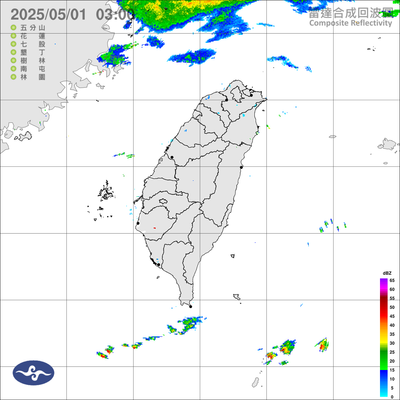
雷達回波圖

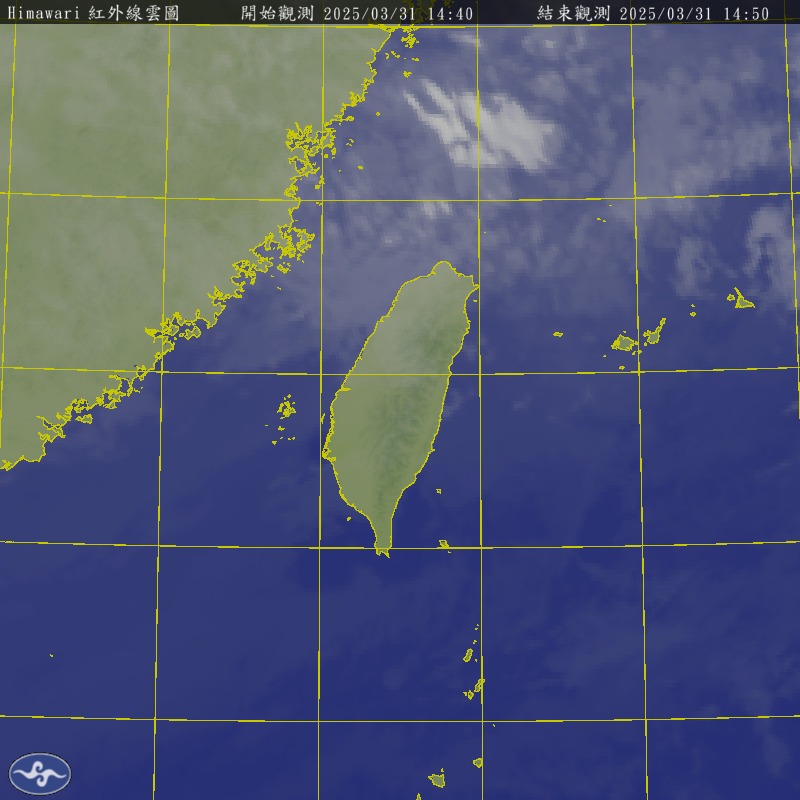
衛星雲圖

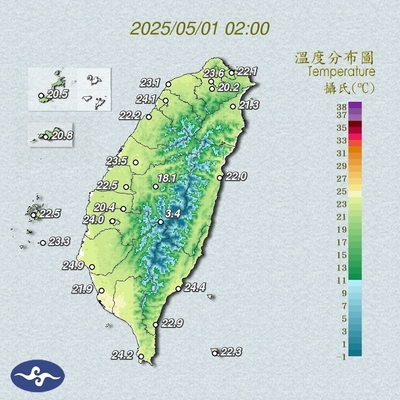
溫度分布圖

教會MIDI卡拉OK新增

教會MIDI卡拉OK流量最多的歌

教會MIDI卡拉OK新修改